Tagged: reviews
“Decide”, A Review of Mothers’ Instinct by Benoit Delhomme
If you’ve somehow hesitated on this one, rest assured that it is worth watching. It isn’t perfect. But compared to all the other trash that is being proffered as “movies” these days, it is a return to the classic definition. (You don’t even want to know what my co-workers were about to watch when I came to the rescue.)
The tone was perfectly subdued, precisely unpronounced. No one holds your hand and points out what to notice. You either get it (and are disturbed in the titillating manner you found appealing) or you probably are bored and never really wanted to watch it.
As far as the leading ladies, Hathaway performs her role better than Chastain. But she also has the easier task.
The best part of the film is how the immediate fallout from the boy’s death is so natural. By way of comparison, consider the tragic mid-air. People’s reactions have centered on personal responsibility (pilot error) vs. systemic failure (FAA/ATC). And that debate is crazy to me. It’s actually why I choose to fly. I have ultimate authority for the safety of the flight. Not many jobs offer that.
As a recap, the helicopter pilot said, “Traffic in sight.” And then we all learned that he did not have the traffic in sight.
In this movie, the tragic death is more purely accidental. The trick, or hinge, to it is that one mother happened to see it coming but couldn’t get there in time, and the other mother should have been watching. But, different than the pilot, the boy never said, “I know I might die if I am wrong, but I am not wrong.”
I say all this to bring to the forefront that the post-tragedy questions “how to respond” and “how to interpret with and deal with others’ responses” are totally distinct from the mid-air’s “how to prevent this from ever happening again” question.
Moreover, the truly fascinating aspect of the plot is how powerfully the story debunks utopian notions of how good life could become if only. Life is great, people. But death is a part of life.
Death is a part of life. You don’t want life to be worse because of death. So talk about it. Think about it. Prepare for it. As a topic, death should be no different than meals or clothes or relationships.
Ultimately, I want to say this. If you feel death approaching, say, at the hands of an unstable woman, flee! It’s best not to hesitate on that one.
A Year of Reading in Review
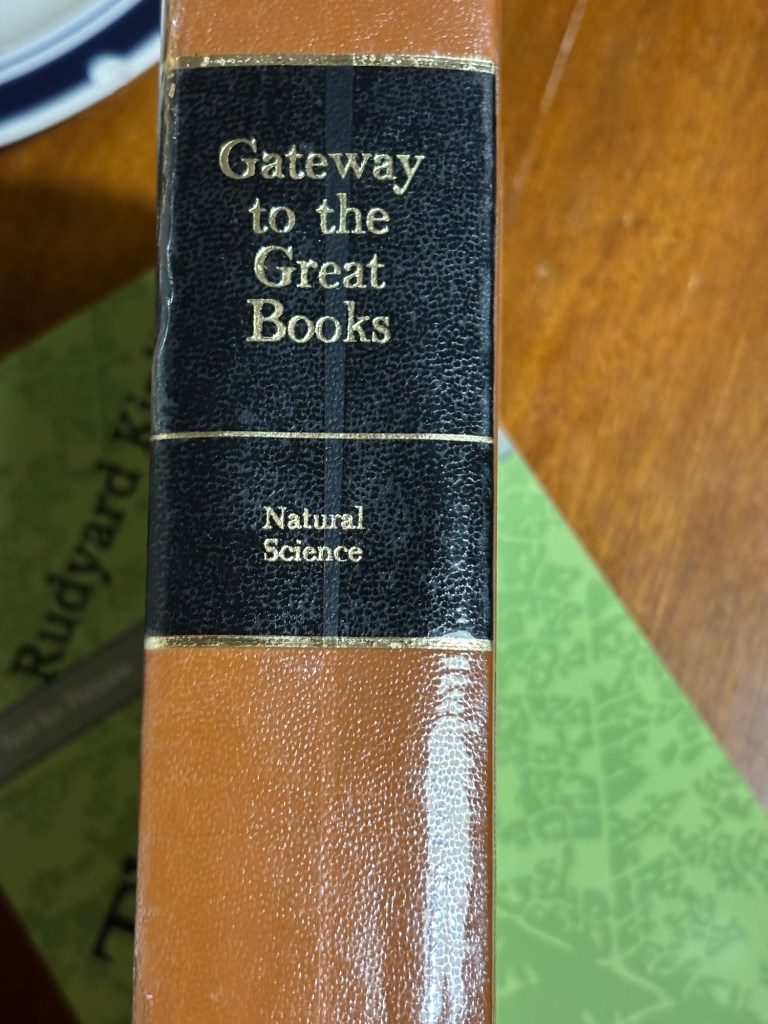
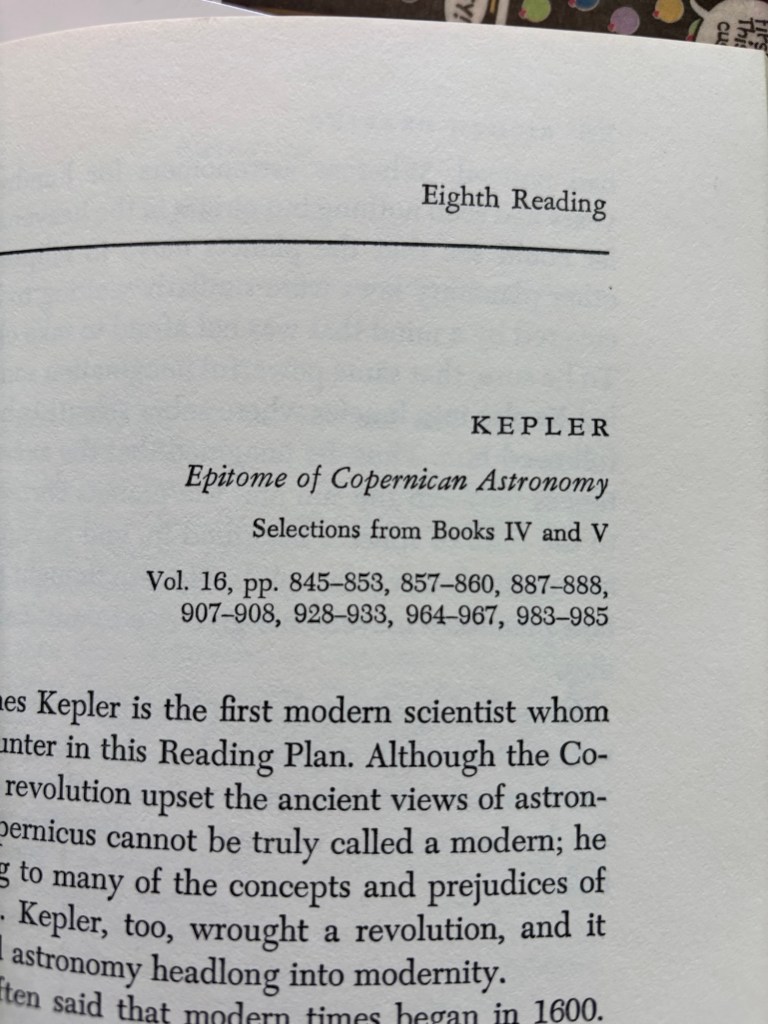
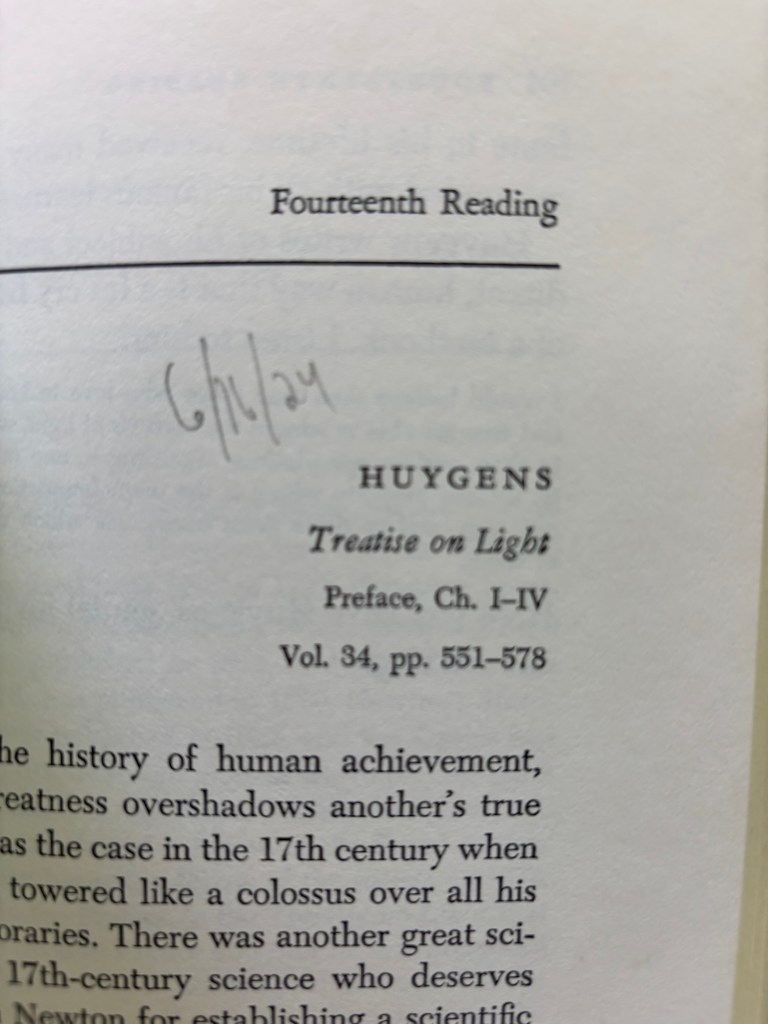
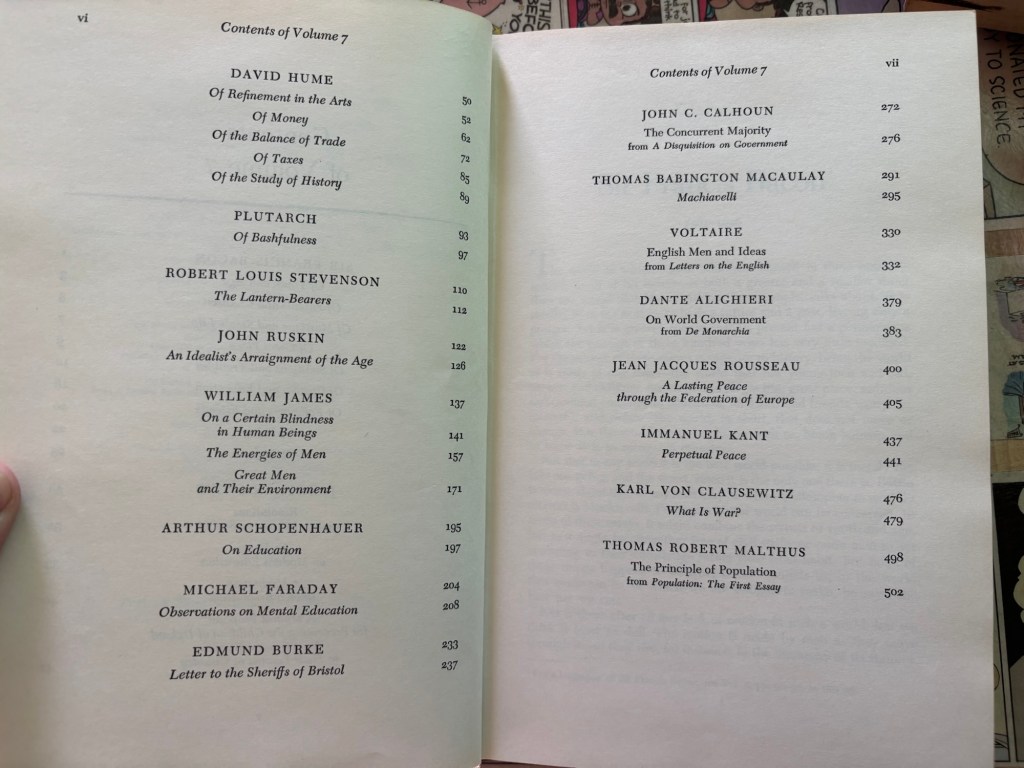
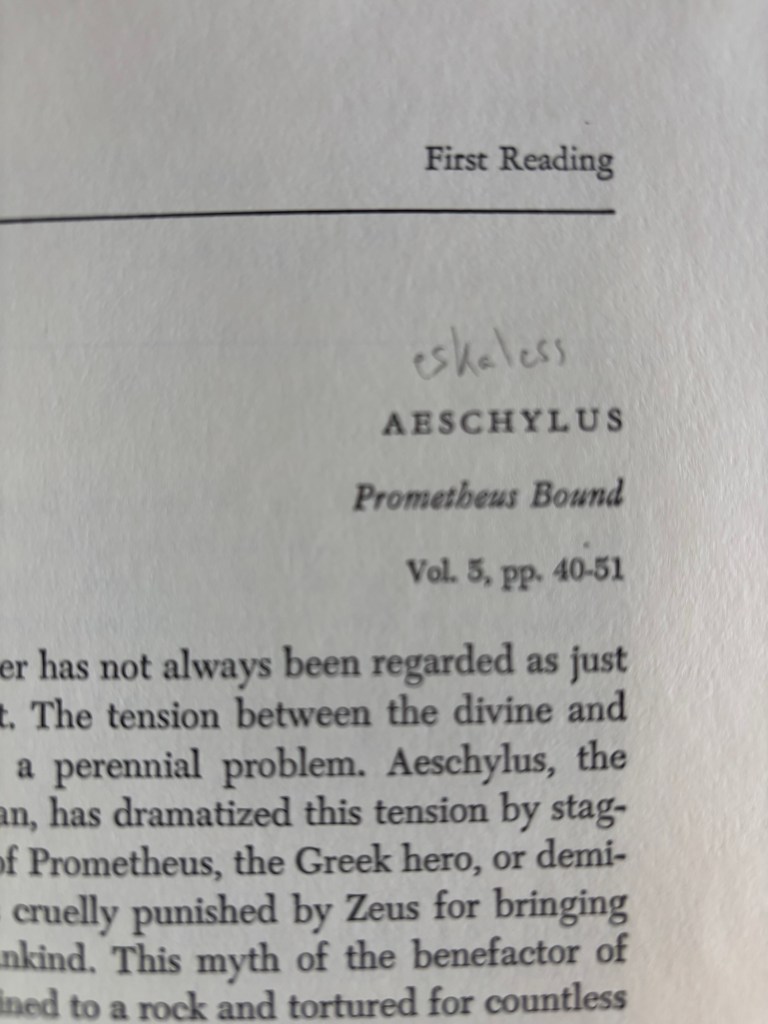
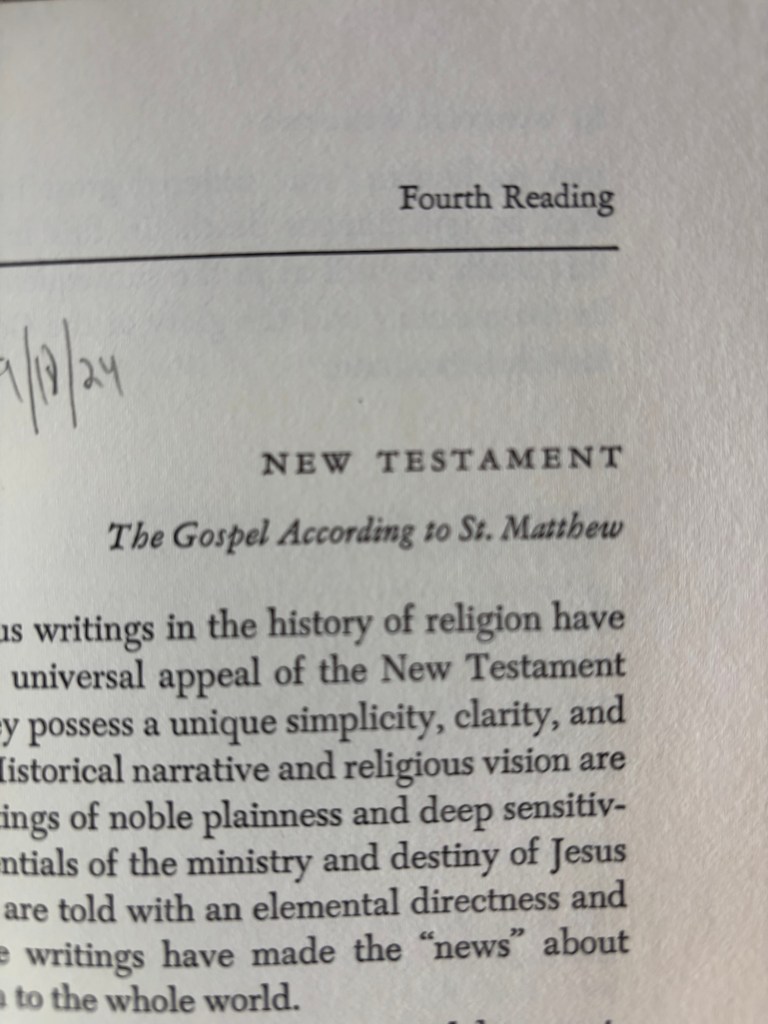
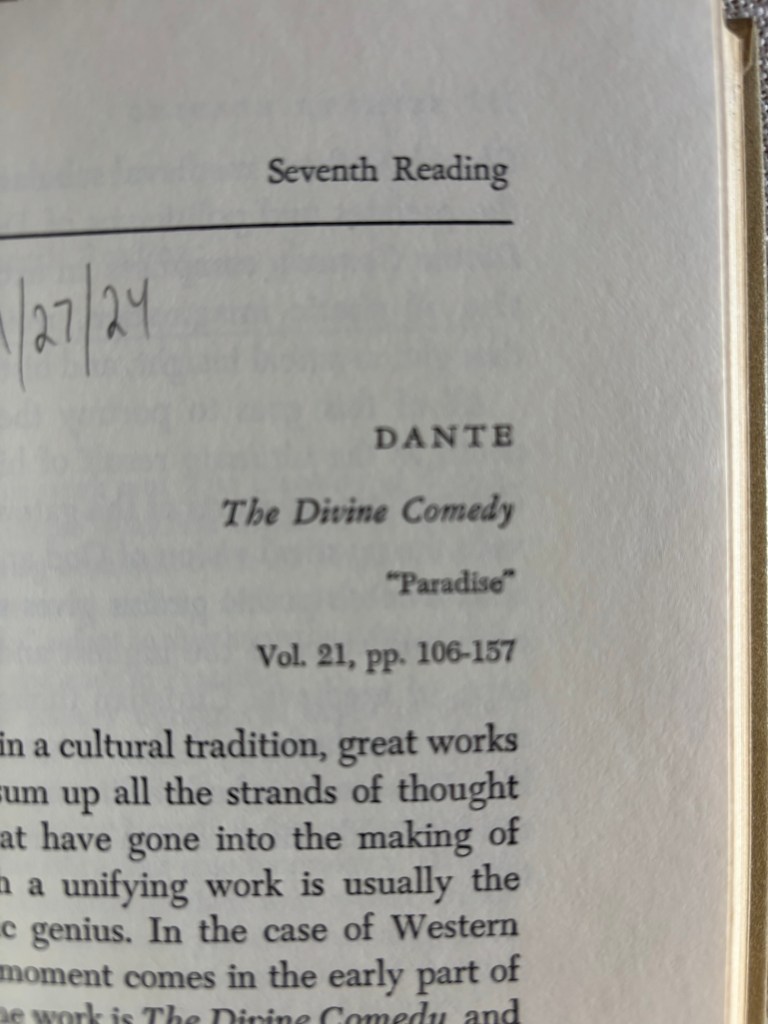
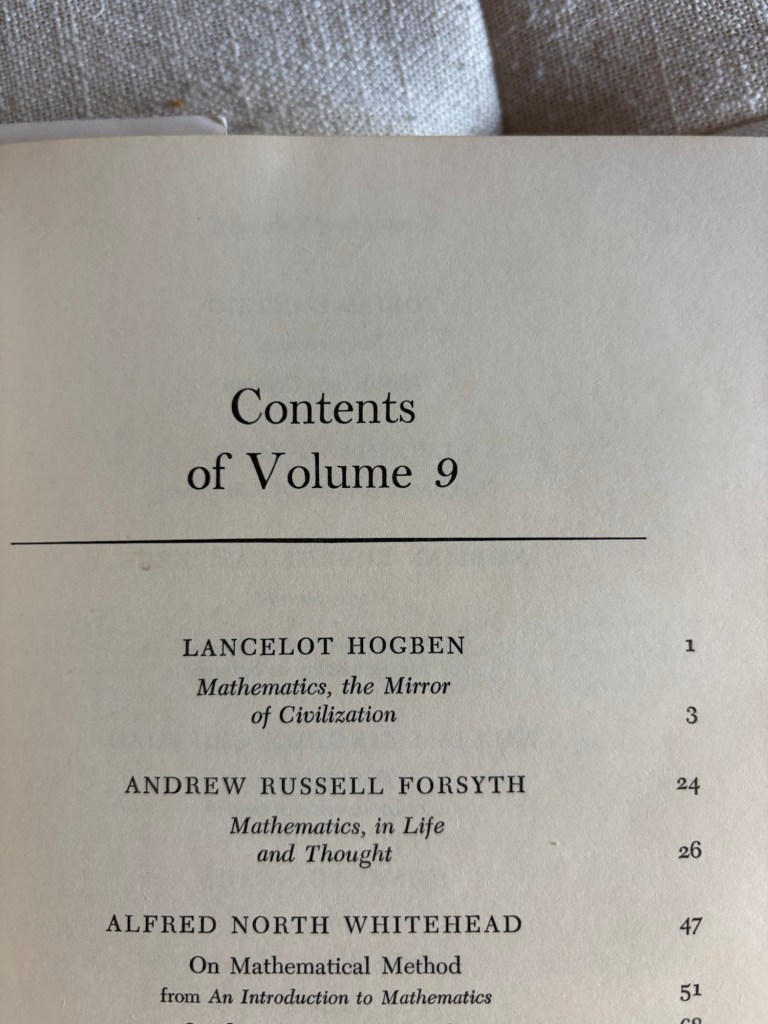
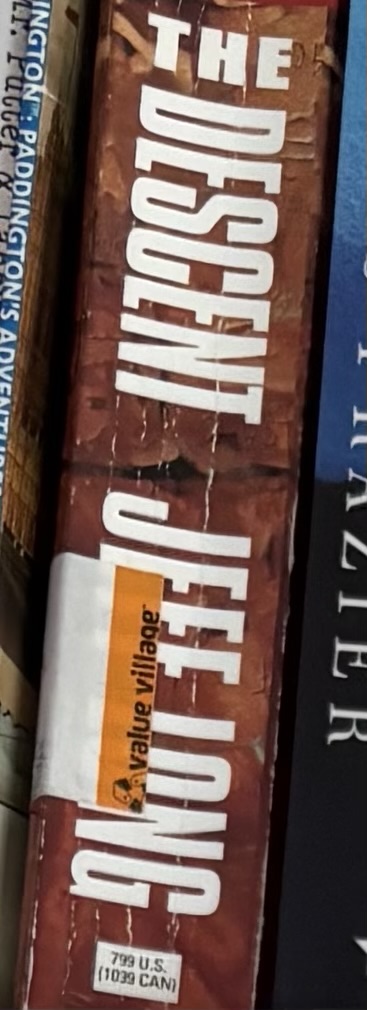
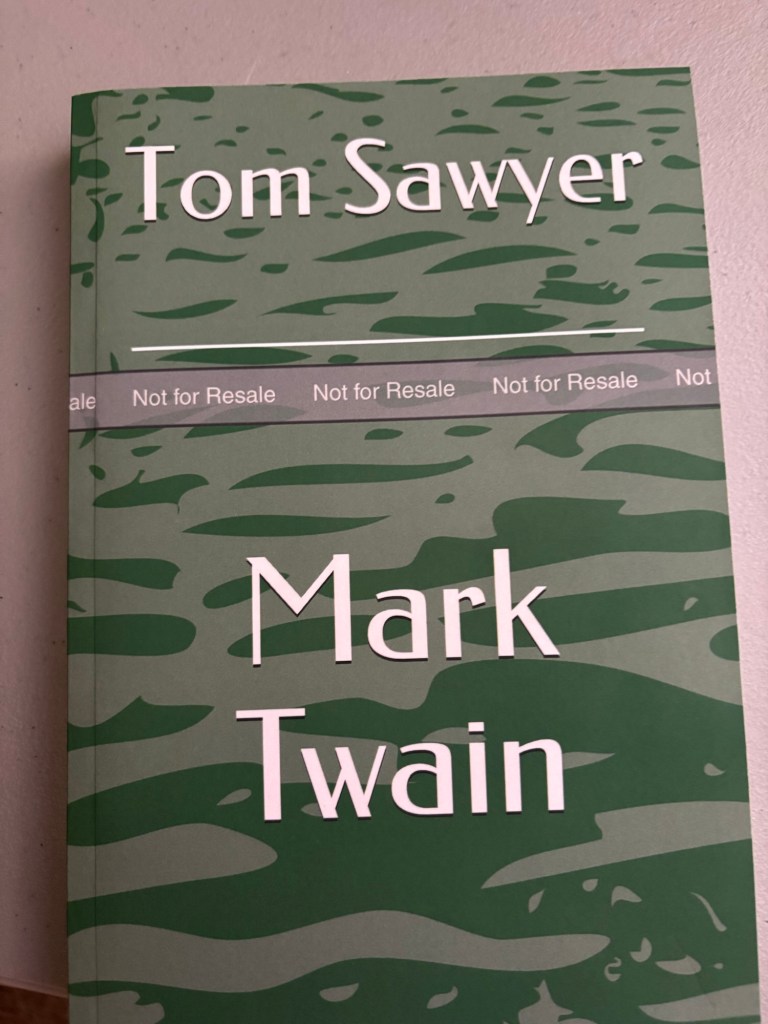
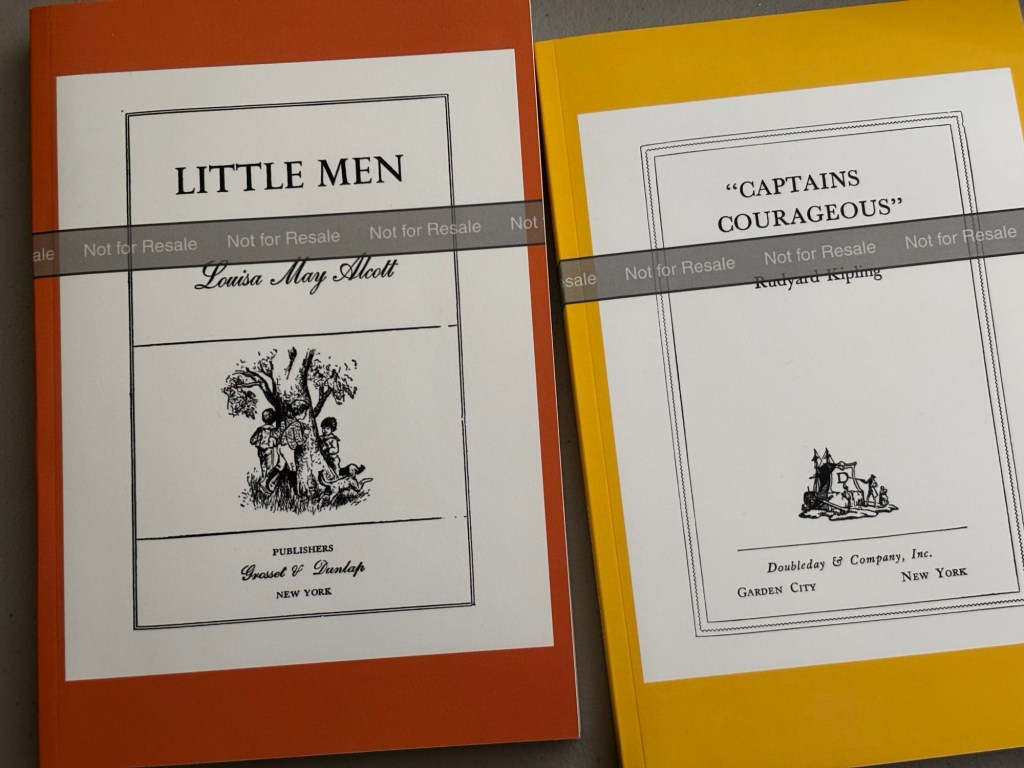
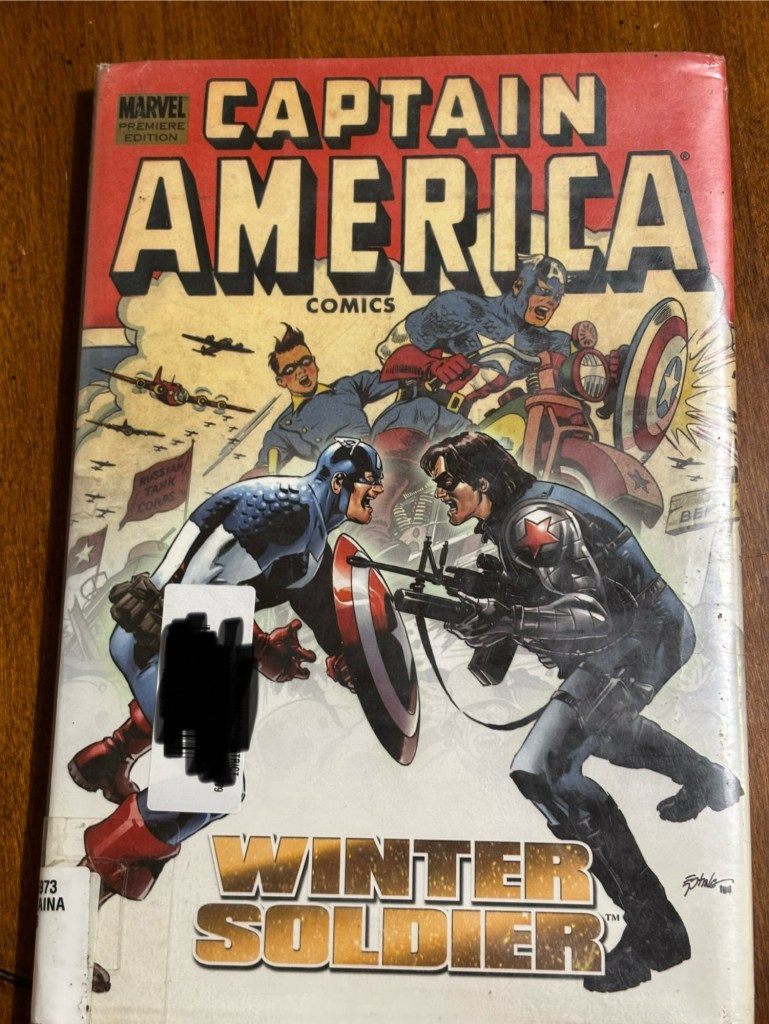
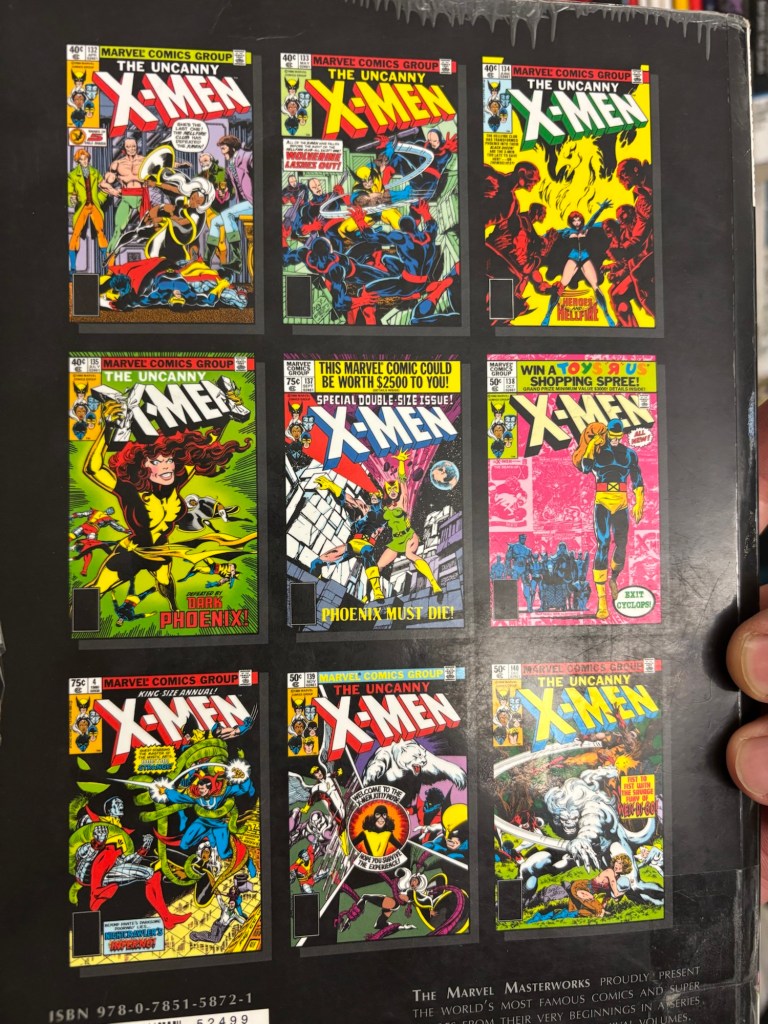
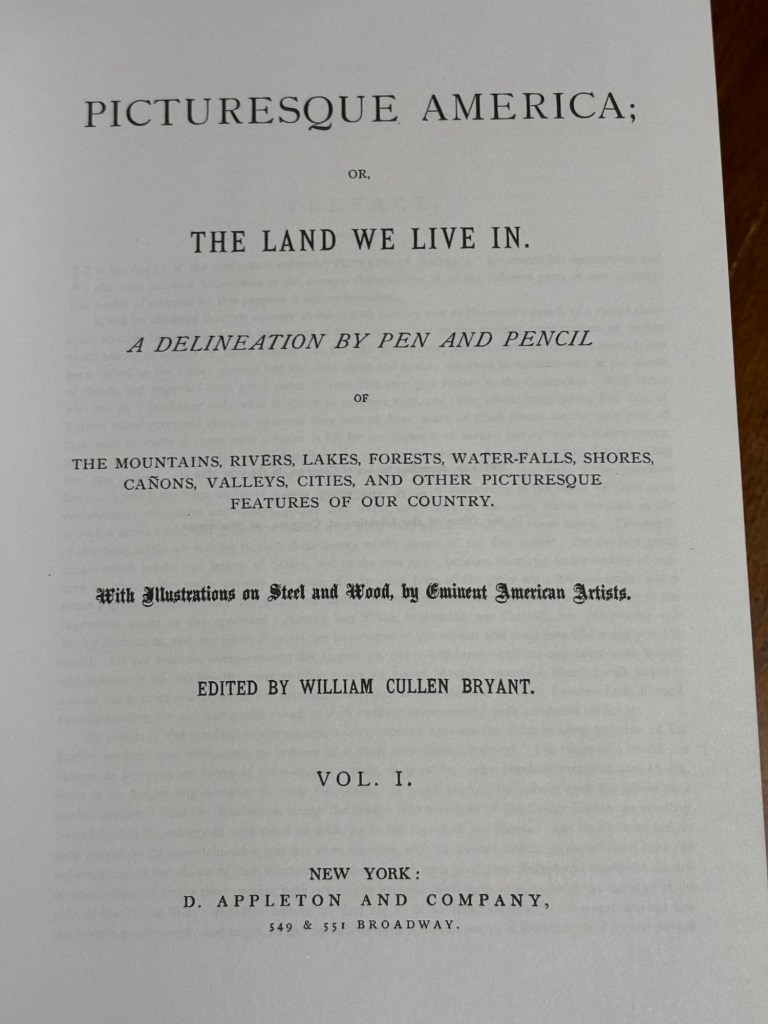
As promised, so far as I remember and/or marked, here’s what I read in 2024. The colorful books with the banner “not for resale” really were just since October—I’ve been on a tear of late. Same with the comic books; when I cut movies (for the most part), I had to find something light and so chose comics that I always wanted to read. You don’t see a few others from a “Predator vs. Black Panther” series and an “Alien vs Avengers” series. A collection of Jack London is the two-page table of contents pic that starts with “The Yukon” and ends with “White Fang.” The individual “First Reading” etc are from the Great Ideas Program. And the table of contents of essays are from Gateways to the Great Books companion set to the GBWW.
I may post again with an answer to the question, “So what did all this reading do for you insofar as tangible results, Captain?” For today, I want to share an infamous quote by Faraday. When he was asked, “What is the point of this discovery of yours?”, he responded, “What is the point of a child?”
Happy New Year!




















On Reading “The Divine Comedy”
Oh sweet Book, thou mantlest thyself with a smile, by what ardentcy dost thou require my time whose arrow, aimed right or left, loosed evermore sheathgone, anon to crawl, broken mirror upon, ever opening virgin wounds ere disconsidered more believable than metamorphastication of hell’s lord to heaven’s Supreme Good, be collected!
“Comedy in the Old Sense”, A Review of Joker: Folie à Deux, Directed by Todd Phillips
Everyone knows what a tragedy is. The word has kept its meaning through the years. The meaning of comedy, however, has not held constant. In a sense, this change is no different from how the concept of heat as substance was discarded in favor of heat as motion upon experimental data which confirmed there was a difference between temperature (strength) and heat (quantity).
Anyone know in what sense comedy was used in the past, say for such a work as Dante’s Divine Comedy? That’s right, “a happy ending.” That story has a happy ending. (Spoiler: It ends in Heaven.)
That is the sense that I mean when I chose to title this review, “Comedy in the Old Sense.” I do not mean that the film is funny.
As a family man, I do not get to the movie theater much these days, so I had to wait, like the rest of you, to watch the movie on a streaming service (co-worker’s account). So I was more than well-versed in the terrible reception of the highly anticipated film. While I would like to believe my critical eye is objective, I offer some backstory to the tardy review because I cannot deny that I came into the movie with a different mindset and much lower expectations than the World before me. Truth be told, by the time I watched it, I needed to prove everyone wrong. I needed to see the genius.
And so here it is.
The movie, unlike its predecessor, is pure comedy. As no one wanted to see that, because no one expected that, everyone missed it. Regardless of its initial reception, like the Divine Comedy, literally for the exact same reasons, I offer that this comedic work is an instant classic and will stand the test of time even more-so than Joker. Because we do like our happy endings.
Time for a proper [SPOILER ALERT]. (But I’d keep reading because the movie is better when not a mystery.)
Joker is the bad guy. And the bad guy dies.
That’s right. Good guys win; bad guys lose. That’s a happy ending, right? Well, the final scene in Joker is that a fanboy fellow asylum-mate unexpectedly (perhaps only to Arthur Fleck) kills Arthur.
Get it? From this old perspective, the first movie is a tragedy, because Joker, while arrested, clearly wins. But in the sequel, the continuation of the story, he dies. The bad guy loses—which is what happy endings require. So it’s a comedy.
If the film misses any mark, it is that the “good guy” remains nebulous. Is it Batman (meaning merely our awareness of the character since he is not in the film)? Is it rule of law in general? A jury trial in particular? Is it truth-telling in the face of fear? Is it truth in general? We aren’t really told, so it’s anyone’s guess.
That’s the broad strokes. But I want to hit some minutia for posterity’s sake.
Hollywood is messing up on casting right now (GLADIIATOR being the other major instance). Certain actors are too talented for small roles. In Joker: Folie à Deux, the problem is Gleeson. His character was fairly important to the story, but his past credits are too distinguished. The polish he brought resulted in him standing out like a sore thumb. It was all tease, no climax. Let’s not do that again.
In America’s on-going battle of the blondes, Hollywood thinks Margot Robbie could only be topped by Lady Gaga. (This isn’t criticism, just acknowledging who’s hot and who’s not—according to our betters.) This is interesting. Gaga did a perfectly fine job in the film. We probably can just admit she did a perfect job. But I’d say she risked more than she needed to on this role—even as she should be flattered beyond belief.
I recently watched Alien: Romulus as well. I am not sure why I didn’t review it—it is good. But I am very sure that the first time I saw the xenomorph appear I thought, “Man. That is so beautiful. Probably the best looking bad guy ever.” Update: after watching Joaquin Phoenix with the makeup on and hair green and charisma maxed out, I’d say it’s a tie. Joker is just beautiful. I’m telling you, keep an eye on how this movie is received down the years. We like beauty, as a species.
Let’s end on a philosophical note.
In the film Red Belt, the martial art’s instructor goes through a list of, “If you stand here, can I strike you? If you stand here, can I strike you?” Etc. This continues, of course, until he positions his student outside of striking distance and concludes, “So don’t stand here (anywhere close).”
Joker is killed by the nicest-to-him inmate (not Batman or the police or the law), precisely when/because his guard is down. I just can’t help but wonder, “WTF, over?”
Why do we hurt each other?
Some Outstanding Quotes From Recent Reads
A book I have always dreaded is, “Up From Slavery” by Booker T. Washington. I viewed it like the pet shop snakes Pee Wee didn’t want to rescue from the fire. I could not have been more wrong. It is astonishing. (For the uninitiated, it was written around 1900; Washington was a former slave turned champion of education and recognized leader of the Negro people in the times that followed their big day.)
“The white man who begins by cheating a Negro usually ends by cheating a white man. The white man who begins to break the law by lynching a Negro soon yields to the temptation to lynch a white man. All this, it seems to me, makes it important that the whole Nation lend a hand in trying to lift the burden of ignorance from the South.”
(Pause here to consider the fullness of love captured by those words.)
“Nor should we permit our grievances to overshadow our opportunities.”
And I add this next one with a special eye affixed on Black Jesus himself. (Please recall this was spoken by a former slave. No bed, no bathing, no shoes, no toothbrush, no mealtimes. Scratchy shirts, no education. Etc etc.)
“The wisest among my race understand that the agitation of questions of social equality is the extremest folly, and that progress in the enjoyment of all the privileges that will come to us must be the result of severe and constant struggle rather than artificial forcing.”
That begs repeating.
“The wisest among my race understand that the agitation of questions of social equality is the extremest folly, and that progress in the enjoyment of all the privileges that will come to us must be the result of severe and constant struggle rather than artificial forcing.”
(It’s only natural to take a quick break before continuing to the next quote.)
Long ago I bought Thomas Aquinas’ Summa Theologica, partly out of interest, partly to impress a girl. I never opened it that paperback copy. But a beautiful hardbound copy was in my Great Books set and the guided reading propelled me to taste and see. So I finally had a chance to discover what it’s all about. Couple to this that back in Seminary (Evangelical, not Catholic) the phrase “intellectual assent” was thrown around like “please and thank you”, usually in a smug, “Faith isn’t just intellectual assent”. (This was said in conversations about apologetics and sharing the Gospel in general.)
“Now the act of believing is an act of the intellect assenting to the Divine truth at the command of the will moved by the grace of God…”
For the thousandth time then, say it with me, “We’re all just little repeaters”. It’s depressing in a way. But it’s also fun to track down the true creators among us.
Next and last for today is Jack London’s White Fang. I can’t recall if I ever read it. I know I watched a movie from the 90s by the same name, but to suggest it was based on the book I am reading would be criminal.
(Keep in mind this quote is about a wolf *wink*.)
“But there were other forces at work in the cub, the greatest of which was growth. Instinct and law demanded of him obedience. But growth demanded disobedience.”
(Another long pause for contemplation is only natural here.)
I write these posts for me. But I confess to you that today I write with the hope of spurring someone, anyone on to the delight of reading Up From Slavery and White Fang. (Aquinas is too much for anyone not professionally interested.)
It Makes Me Want to Teach
[SPOILER] Good sermons make me want to preach, and good movies make me want to teach.
Gladiator II is good. As I said yesterday, it isn’t that good, but it is good. Here are some areas it missed the mark and which hold it back from ever becoming a “classic”. The areas are remarkable because they are so easy to identify. (High notes will be listed at the end.)
- You must know what your movie is about. Gladiator was not about Rome or Maximus’ wishes for Rome. Gladiator was about the penultimate gladiator—Maximus. (Insert infamous “husband to a…” quote.)
- Never, never, never, never believe you can fool an audience. We’re just too smart. No red-blooded American believes you should give up. Ever. Never give up. The idea that it is noble to peacefully and without resistance enter the after-life is un-American. Do not try to show how it contains value of some sort. “Rage, rage!”
- I saw a clip where Ridley Scott answered a question with, “I just know.” The question was about the leading man. This was way too arrogant. Hollywood and entertainment is far more complex than that. Sure, the leading man—unremarkable as he was and will prove to be—was definitely not a let down. But the whole movie wasn’t as good as it could have been and this is obviously because it rested on “I can’t make a bad movie” reasoning, instead of a good story and good storytelling. We’re not paying to see Ridley Scott. We’re paying to see a good story told well.
- While the movie wasn’t “woke”, it could’ve entered the always available ranks of “timeless” by avoiding some obviously “woke” ideology. Again, this did not have to be the case. Specifically the movie had way too many irrelevant BIPOC characters (and close-ups) that contributed nothing but shades of brown to the screen. To repeat: in great movies everything in the movie must have a purpose and that purpose is to tell the story. In Gladiator, the Black and German slaves were there to make us like Maximus even more. It wasn’t about DEI. It was about Maximus—the gladiator. This leads to the next point.
- We never cared about Lucius. This is because we were forbidden to by the first Gladiator. He had been introduced to us as little more than a spoiled rich kid. I think it would have been possible to care about him if we were shown how. I’m thinking that the story would have had to include some highly skilled and discerning followers or servants of young Lucius accompany him to wherever he goes to hide and resent him for their having to give up court life etc. Then over time they come to respect him and are willing to die for him etc. But there are a lot of difficulties with that concept too, so I’d have to give it more thought. The point is we absolutely cared about Maximus every single second of the film. Seriously, what wasn’t or isn’t there to like?
- The villain was too diffuse. Great movies have one villain and he or she or it is identifiable immediately. Surprises work for thrillers, but Gladiator II did not aim to be a thriller. “Temet Nosce” (know thyself).
- Just like life-making love-making, there can only be one climax in a movie. What is weird about this movie is that it has events which in and of themselves didn’t have to be “climaxes”, but were shot/told/scored as if they were the climax. So you feel spent only to now be disappointed that there was more action coming. Again, it’s a simple mistake that hurt the project.
- The final area I want to mention is something which probably has an industry term—I just don’t know it. It’s best exemplified by Expendables 3. There were all these individual scenes dedicated to each action hero on the squad. But the scenes had no “tie that binds.” Gladiator II similarly introduced many characters with scenes that were well-acted and almost interesting, but their presence diminished the movie, instead of augmenting it. Bluntly, by contrast, I cannot think of a character or scene in Gladiator that didn’t make me like Maximus more than I previously did. Characters offered contrast to Maximus, and scenes fulfilled the role that time does in increasing our desire to see new love, in this case Maximus, again. Gladiator II’s non-Lucius scenes merely confused me while creating an atmosphere wherein I did not want to give myself completely to what I thought the story was. And all this because, say it with me, the director didn’t know what the story was.
To conclude, and to balance, here are the obvious positives.
The opening scenes and battle are evidence of Scott’s greatness. Does anyone do epic better? No. He is without peer. They are masterful. He is the master.
No scene taken by itself is low quality—more evidence of greatness.
The acting is top tier.
And despite it being CGI, the CGI is almost transparent. Pointedly—it is probably the best CGI to date. Good job.
No Helmet, A Review of Gladiator II
The refrain, “This is good,” repeatedly sounded in my head for about the first third. And the movie is good. But it isn’t great and it misses for some questionable reasons.
Most importantly, there was no helmet.
Secondly, as in the first film, there is a use of “paper” that is totally a-historical. No one had disposable paper in 200AD.
Thirdly, CGI.
Fourthly, let’s just give Russell Crowe his due. Even his hand in wheat seems divine to this day.
Lastly, there was a moment—you’ll know it when it comes—that I felt disappointed that there was more movie to go.
Science Teachers: Teach the Truth
I was at an FBO (airport gas station—incidentally, this means very, very wealthy people are frequently around. I assure you, they do not inspire). Anyhow, I was there awaiting some maintenance on the helicopter for an afternoon the other day and I couldn’t help but notice that on the TV was a silly show where a “Science is fun!” guest teacher was visiting an inner city school to pep up the otherwise dry material.
It caught my attention, as you might expect, faithful reader, because the topic of my guided reading through the Great Books of the Western World is “Foundations of Math and Science”. So when I hear, “Newton”, “Force”, “Inertia”, and certain other keywords, I am always interested to take a closer look.
The particular concept the energetic guest was bringing to the kids was inertia. His whole game was to demonstrate inertia by yanking the tablecloth from under some dishes as they remain in place.
He says, “Inertia: the tendency of an object to stay at rest until a force acts upon it.”
The definition isn’t troubling. The troubling thing is…can you name it with me? On three. One, two, three: Everything in the universe is demonstrating it!
Whether this zany, cooler-than-your-teacher (and actually, kinda disrespectful) man shows up to a school and says the words “learn” “newton” “inertia”, or not, inertia is demonstrated by not only every object in a student’s immediate observation, the student’s body itself, but also by every object in the entirety of the universe!
But the man adds, “Isaac Newton would be so proud that you’re learning!!”
And there is the whopper. Isaac Newton would be proud if kids were learning (they’re not), but he would not be proud that a man claiming to be an expert is teaching kids that he is demonstrating inertia.
With me?
Inertia isn’t “demonstrated”. Inertia is.
“Pete, you’re being way too sensitive here.”
Am I?
****
Why does learning have to be fun?
From what I have read, the math and science greats do not seem to have had much fun while attempting to communicate their ideas. Moreover, many of their lives were fairly difficult—as they were battling commonly held conceptions held by nearly each and every fellow man.
Instead of “fun”, I say let’s teach the truth to kids.
Straight from the man.
Definition III from Isaac Newton’s Mathematical Principle of Natural Philosophy.
****
The vis insita, or innate force of matter, is a power of resisting, by which every body, as much as in it lies, continues in its present state, whether it be of rest, or of moving uniformly forwards in a right line.
This force is always proportional to the body whose force it is and differs nothing from the inactivity of the mass, but in our manner of conceiving it. A body, from the inert nature of matter, is not without difficulty put out of its state of rest or motion. Upon which account, this vis insita may, by a most significant name, be called inertia (vis inertio) or force of inactivity. But a body only exerts this force when another force, impressed upon it, endeavors to change its condition; and the exercise of this force may be considered as both resistance and impulse; it is resistance so far as the body, for maintaining its present state, opposes the force impressed; it is impulse so far as the body, by not easily giving way to the impressed force of another, endeavors to change the state of that other. Resistance is usually ascribed to bodies at rest, and impulse to those in motion; but motion and rest, as commonly conceived, are only relatively distinguished; nor are those bodies always truly at rest, which commonly are taken to be so.
(My underline.)
****
If that doesn’t do it for ya, if you still don’t understand what Newton means by the word inertia, then the only sentiment I may offer as a last ditch effort is this.
Imagine a man moving while inside a moving vehicle. Got it? (It doesn’t have to be a car with a man reaching back to grab a snack from the back seat, or a pirate ship approaching a storm while the captain paces to and fro by the helm, or an airplane with a man squeezing down the aisle after a bathroom break. It can be any vehicle, any person, but the vehicle and the person inside must be moving.)
That is the Newtonian picture of the universe as described at the end of that definition. Because, Newton says, the vehicle we’re in (which you didn’t know we’re in—and he doesn’t mean merely planet Earth) is moving; there is no “rest” in the plain sense.
Inertia, then, is the conception (defensible by math and experimentation) that all bodies resist. It’s an action. Or a force. To resist, there must be something to resist. (Period.)
And I’m out.
My Culture, A Review of Zombieland Double Tap, by Ruben Fleischer
Certain parts of life are incapable of being explained within the remaining time, and yet too important to be ignored—those parts are culture. I realized this a short while into my marriage to a woman not of my culture when I kept finding her seemingly unable to understand what I was doing, and for what reasons. Frustrated, I simply said, “Things are this way because it’s my culture.”
“‘My culture’,” she’ll repeat. “What is ‘my culture’?” remains her loving, if unbelieving, response in broken Engileezaynia.
Next time the situation presents itself, I will answer my wife’s surely earnest parry with, “Can you watch a movie? What am I thinking? Of course you can. So watch Zombieland Double Tap. When you understand it, then you will have your answer. Because that is my culture.”
What a great film. What a landmark.
The REAL Truth About AI
AI is mankind’s ability to sense electricity—and nothing more.
To repeat, AI cannot read. It definitely cannot read English. But it also cannot read any other language.
Also, AI cannot see the road.
Furthermore, AI cannot think up answers.
To be fair, to describe these and other negative facts about what AI cannot do is easy when compared to accurately describing the relationship between one of us “using” AI and persuading themselves (or being persuaded) that AI is reading, that AI is aware of the road, that AI is “thinking”. It’s not impossible though. In the most important sense, that relationship does not meaningfully differ from when a person feels the handle of a hammer in one hand and a nail in the other hand—and is persuaded that the nail will be driven into the board without a doubt.
No inanimate machine “hears” the sound (or any one of the many sounds) the letter “a” makes when it senses the electrical representation someone has coded for “a”. (It’s not like the electricity buzzes itself into an “ahhh” sound.) Instead AI senses some distinct electrical value which corresponds to what some person had decided should consistently and uniquely (though not exclusively) correspond to the English letter “a”. This is no different from how your hands consistently sense hammers and nails which correspond to what we have come to call hammers and nails when it holds them.
AI as a name is likely here to stay, unfortunately. But this is no more difficult a situation than, say, the QWERTY keyboard sticking around.
But AI is not artificial, it is not intelligent, and it is certainly not artificial intelligence. That is, unless you mean to convey that AI is mankind’s ability to sense electricity—and nothing more.

