Tagged: history
GW Quote From Which To Draw Motivation
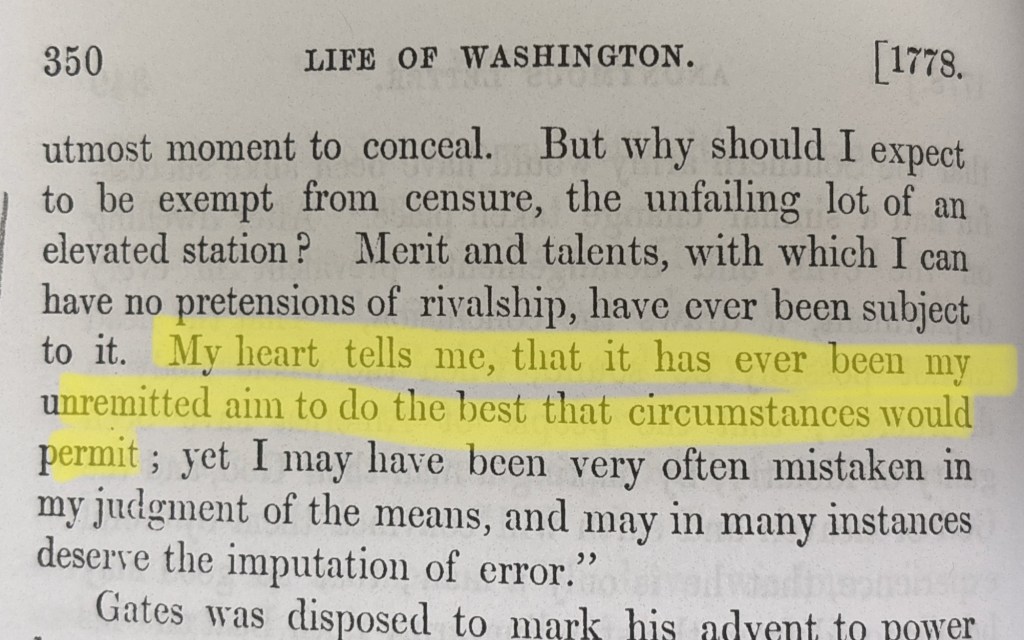
Reading Log 2.6.2026
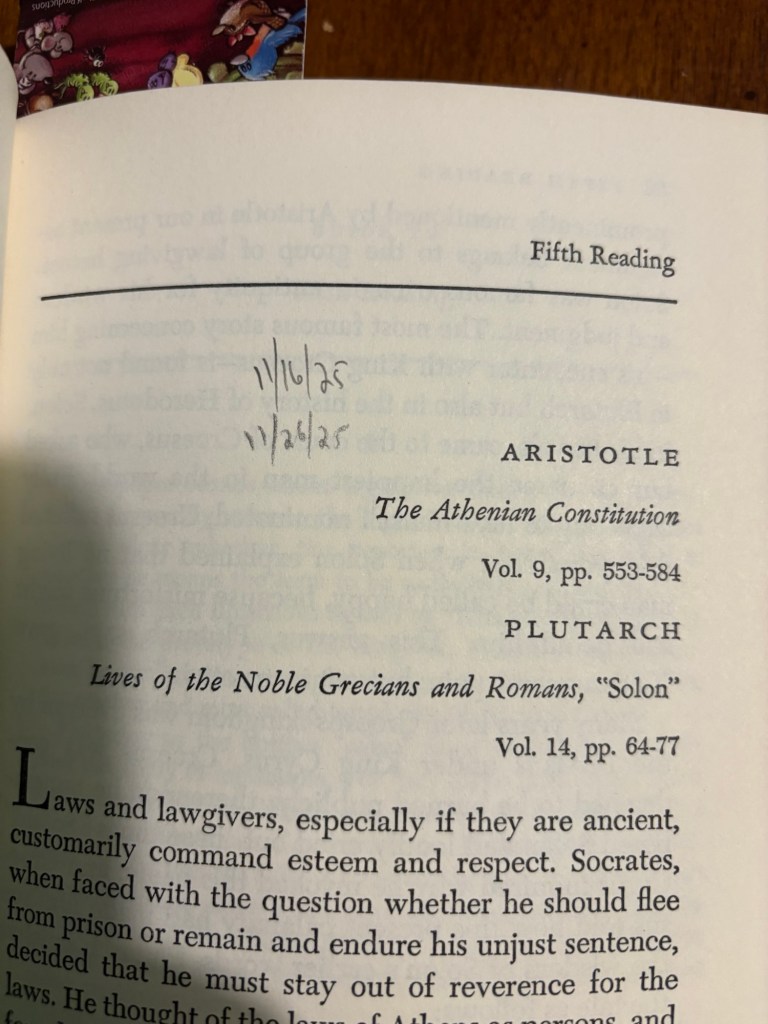
The reason Aristotle should be read and will be rewarding is simple enjoyment of compare/contrast of methods. He also forces you to abandon juhhhhst about every preconception about government and politics you currently hold.
****
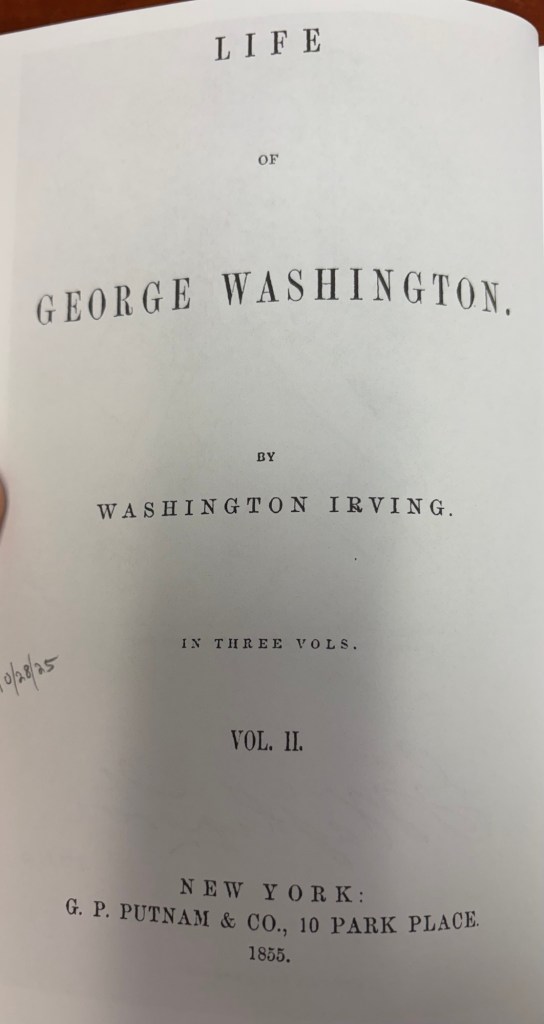
GW never disappoints. What a life. I confess that sometimes my mind wanders as the descriptions of all the various messages being sent to and between all the many forts and camps are given. At the same time, what an exciting job, no? Perfect for a young man wishing to prove his worth, I say. What task of today compares with, “Your countryman’s lives depend on you successfully carrying this message through the forest undetected. Can you do it?”?
****
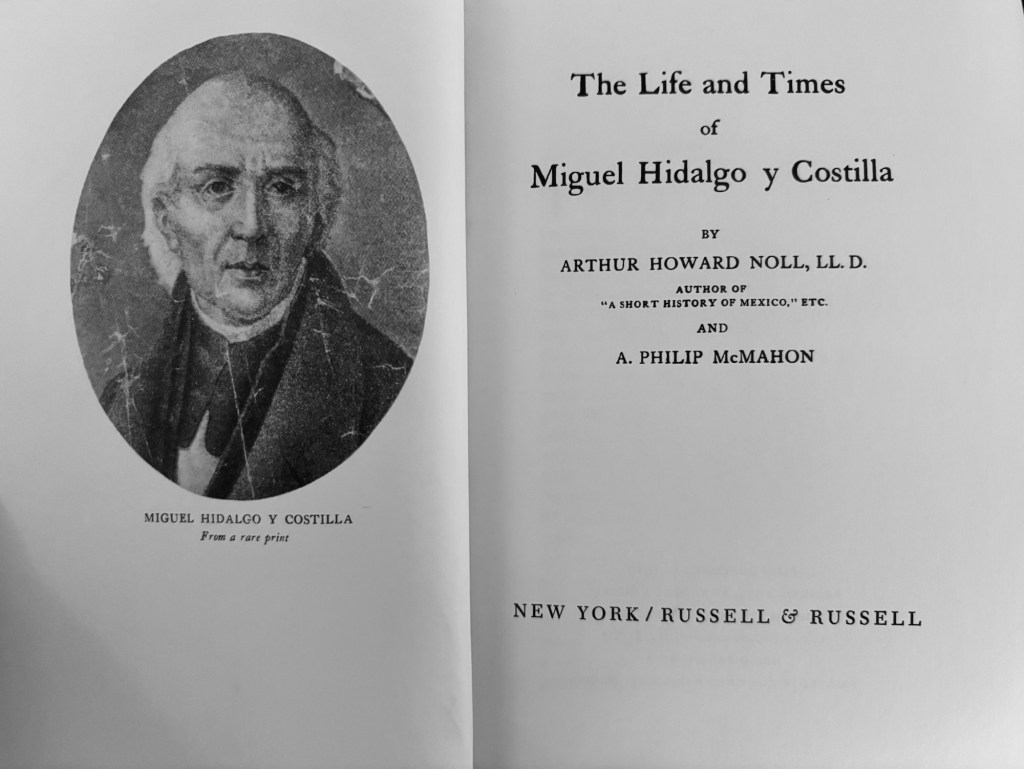
After I discovered Miguel Hidalgo y Costilla, after I found a portrait, and after I framed it behind museum quality glass and hung it on my wall, I realized that I didn’t really know much about him or his role in Mexico’s independence. There’s a brief entry in my 1910 Britannica set. And then there’s this book. Suffice it to say, now I do. In short, and probably fortunately, the word “legend” has to be applied. New Spain and the caste system it operated within simply didn’t have an established habit of written record. Another difficulty that can really only be appreciated if you read GW and Hidalgo simultaneously, is the scale of the geography upon which events unfolded. New Spain (future Mexico) was enormous, whereas GW was focused on New York and Long Island and a few other relatively minuscule locations along the Atlantic coast. In the end, however, for both legendary and historically verifiable reasons, Hidalgo does belong among the six men on my wall. Oh, and you’ll never guess the nickname he got after college. So go! Read and learn! (Even the internet won’t help you.)
****
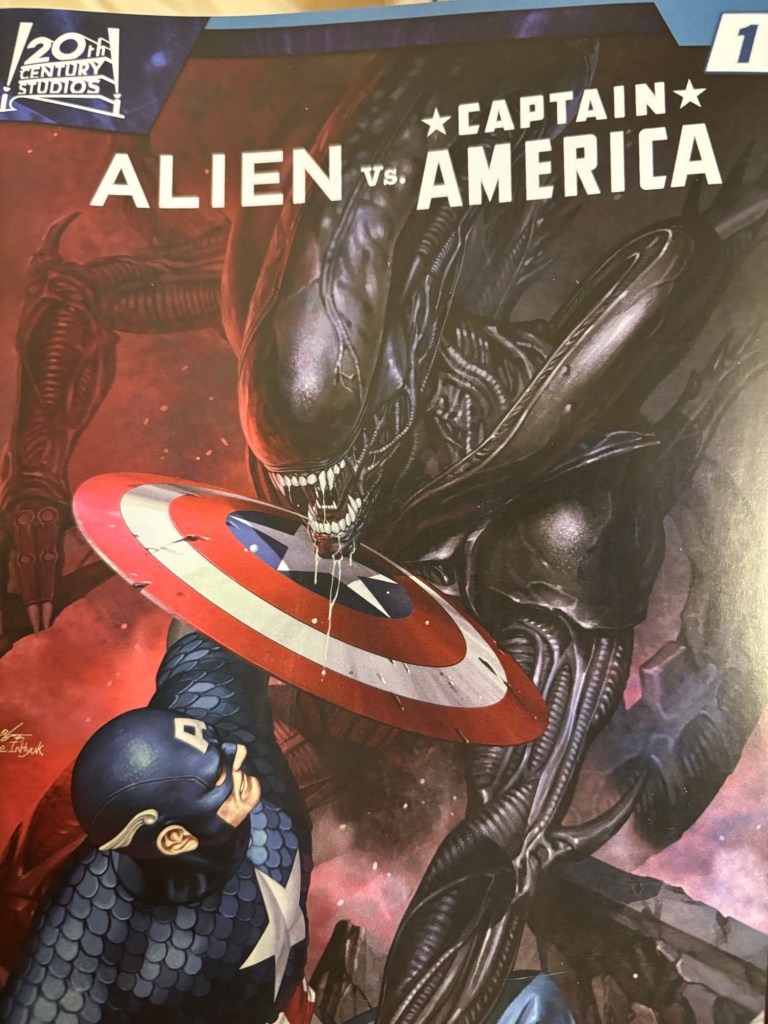
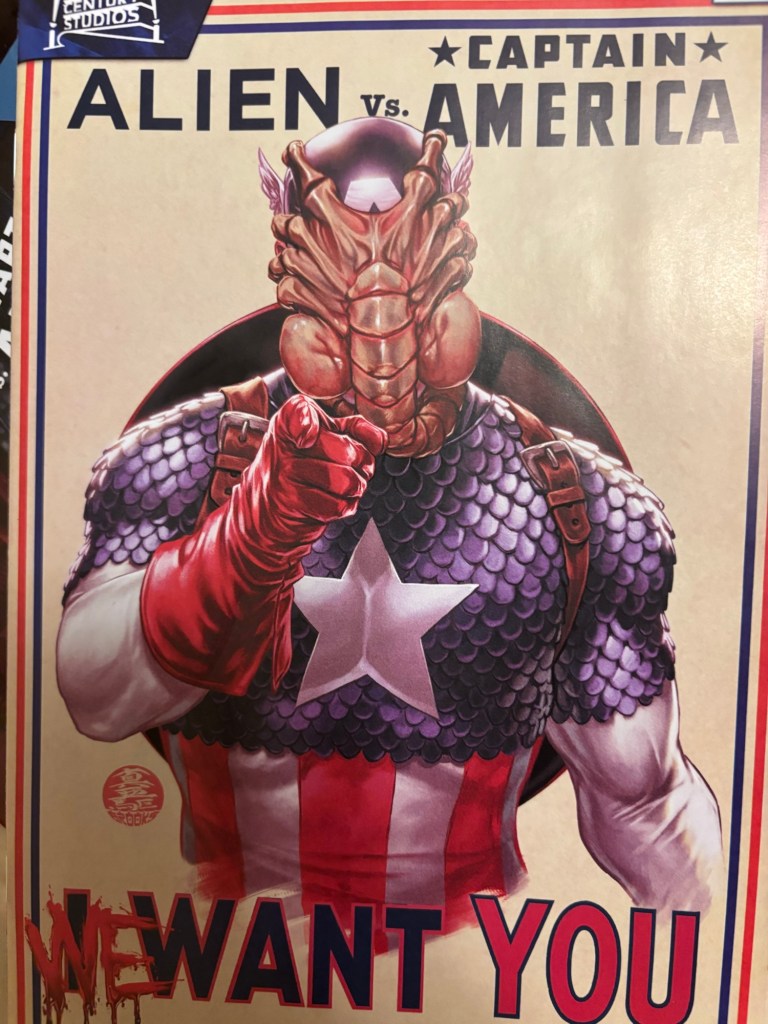
How could I, American hero that I am, not like Alien vs Captain America? Just look at those covers. Rest assured, they do not disappoint.
****
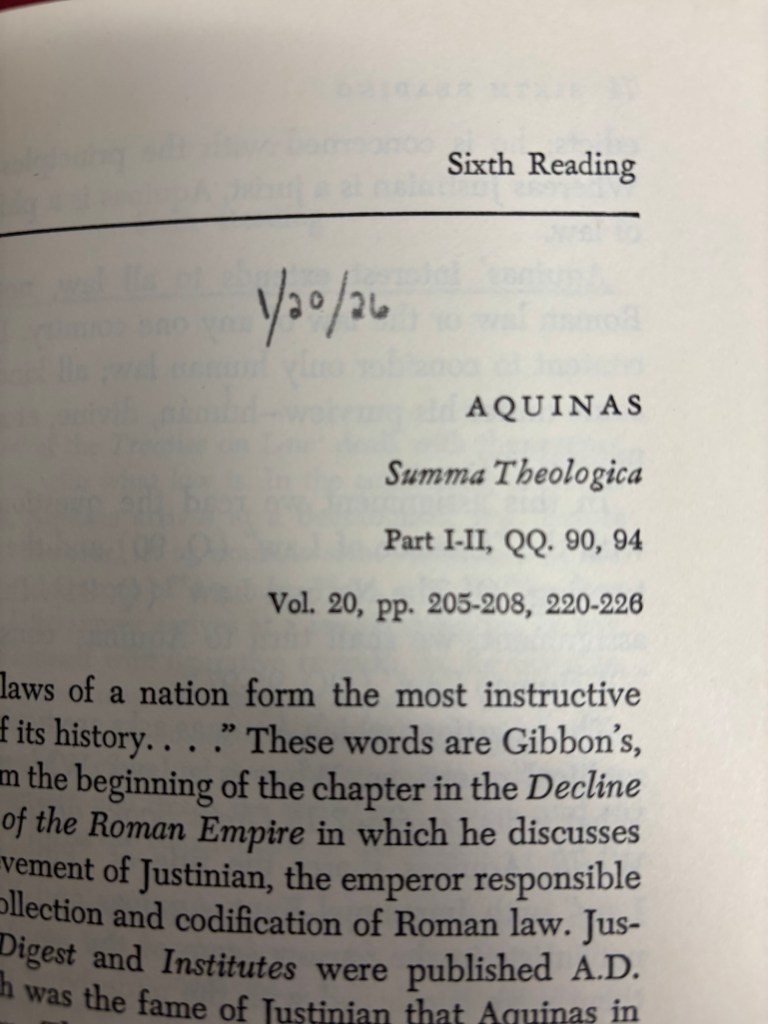
Isaac Newton leads the way for humans—overall. But Aquinas leads the way for methodical writing. This man’s rigid adherence to a method is otherworldly. I won’t say it is commendable, because I am too interested in creative writing. But when I hear people talk and it is utter unfocused confusion, the easy fix is to show them Aquinas.
****
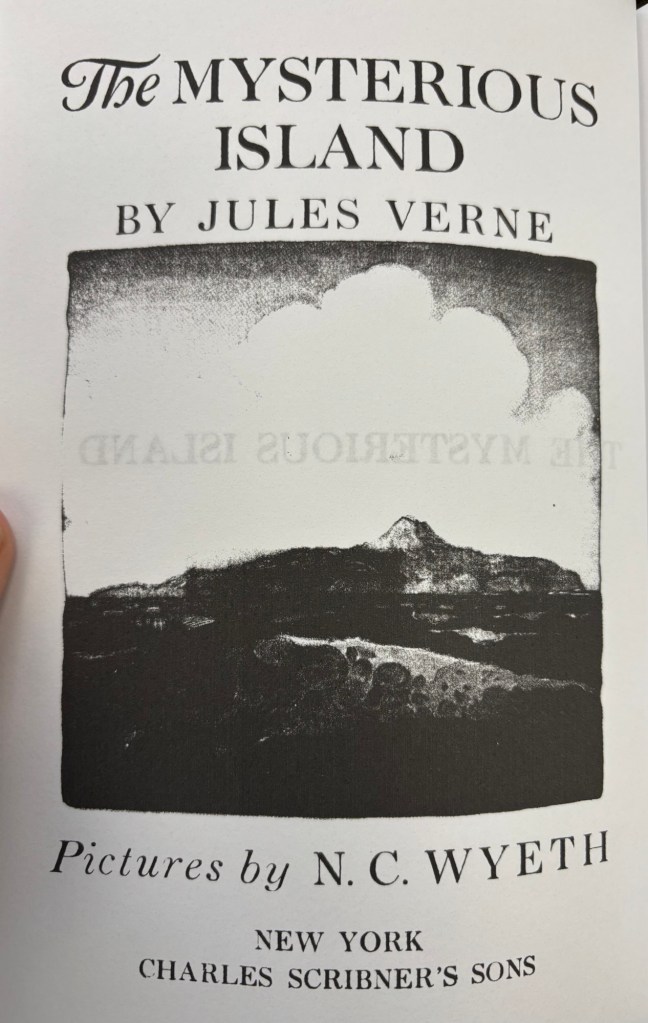
I knew Twenty Thousand Leagues Under the Sea. (Read it too.) I did not know about The Mysterious Island. It is fun. A few chapters in and I found myself thinking, “Wait a minute! This is just a genre-establishing sci-fi version of Robinson Crusoe and Swiss Family Robinson.” Then it seemed like it was literally in the next chapter’s opening that Verne, or the narrator, detailed as much and offered a decide-for-yourself-whether-it’s-a meaningful distinction. In any case, compelling start, second act slowed a bit, but the third finished strong. It isn’t a must read. But if you have interest, it won’t disappoint.
What Fascism Looks Like When Carried Out By Mankind
Faithful readers and new readers alike: The point of sharing lists of how many deportations past presidents and administrations carried out is not the illustration that both political parties have done what Trump is doing. Neither are the lists particularly indicative of the character of past politicians. In other words, it isn’t news that politicians change their policies or blatantly lie at times.
The point of the lists is to definitively give absolutely conclusive and damning evidence that Trump and his administration are not behaving like fascists while they enforce the nation’s—every nation’s—established Laws.
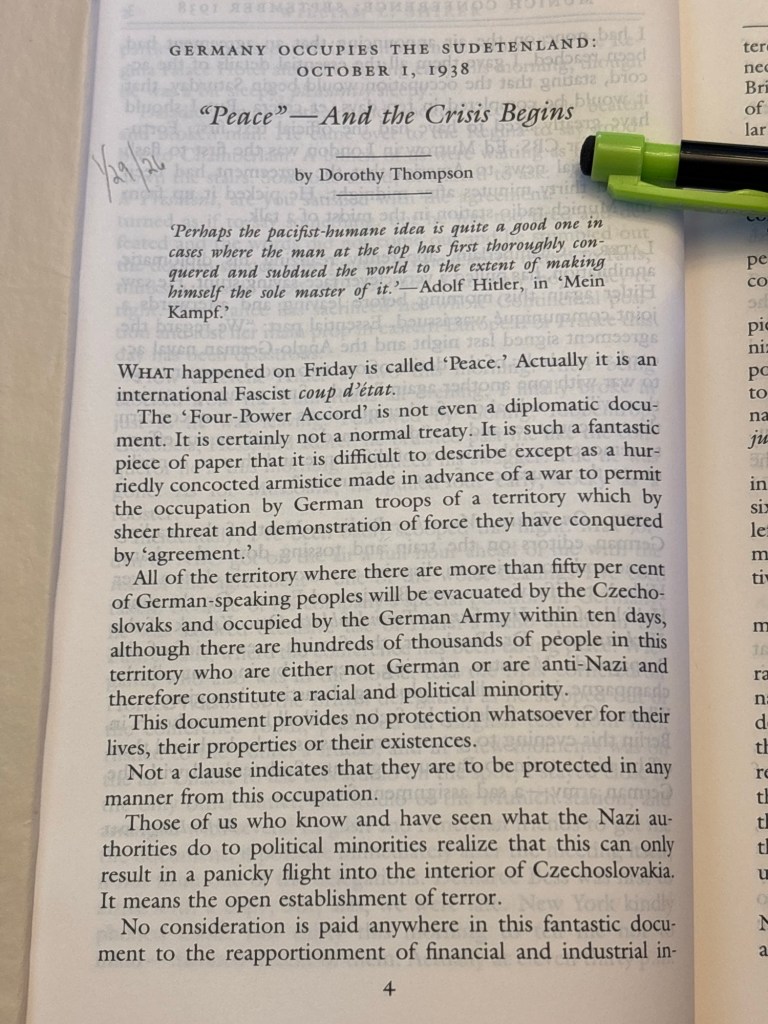
For a glimpse of fascism, read this blurb from back in October of 1938. Pay careful attention to the twin facts regarding there being (a) a new agreement and (b) no protection.
To be sure: Trump et al are not enforcing some new law. And there is no law (being enforced or left unenforced) in which protection is withheld or unconsidered.
Current events across the land are not evidence of fascism. Not even close.
They Do Not Conceal Like I Would
It is surprising to me, and seems to surprise most of us, that the bad guys self-identify so strongly.
I am currently reading GW’s biography. There have been parallels to today which are difficult to ignore, even as they aren’t 1:1. For example, I have to admit that had I been British back then, I would probably have been surprised that the colonists were so blatantly identifying as enemies. I would have thought, “Don’t they understand who they are up against? Maintaining neutrality, even as a feint, seems the stronger play.”
But no. When a fight is brewing, the two sides declare themselves.
I think the matter can be put plainly: When you’re on the side of those with the guns, it is surprising that the people without the guns would fight you—but it shouldn’t be.
These contemporary secessionists in Portland, Minnesota, and elsewhere have not yet declared independence. I would say, on most levels, they are miles away from being organized in any sense like those who declared independence back on July 4, 1776. But I will not be teaching my kids that it is surprising that stupid people unabashedly announce the side they’re on.
One Macro-Scale Reason Charlie Kirk Was Killed
Check this paragraph out. It is from Robert Shaplen’s New Yorker article “Life in Saigon: Spring 1972 We Have Always Survived”, April 15, 1972.
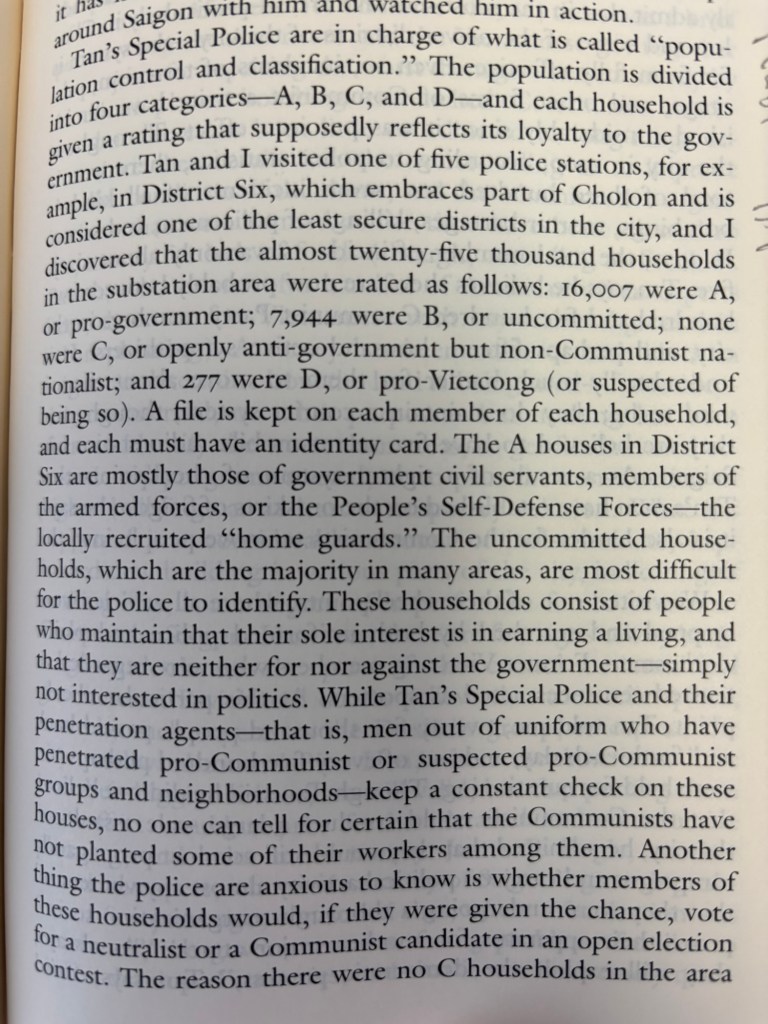
There is no need to complete the paragraph. You get the point.
This was 1972. This was the behavior of the “good guys”. This was conducted in essentially a third world, war torn country, without computers.
I don’t know about you, but I am astounded by the (new to me) information therein.
So I want to ask you: What do you want, my fellow Americans? Do you want to continue to feign outrage at the Left and its lunatic adherents and make wild claims about a coming civil war? Do you want to teach each other that there must be a response, even if it is simply at the polls? Do you want to appear totally shocked by the fact that someone who wasn’t a threat to anyone was assassinated? Do you want to task Tan’s special police to find the next lunatics?
What do you want?
I’ll tell you what I want. I want to be left alone. I want to have a private life. I want my thoughts about, my opinions about, and mostly my actions while living life on this third rock from the materials fusion process we call “the sun” to be officially unknown to any government entity.
Will you give me what I want?
Because of my desire for privacy, I am not particularly concerned about the Left and their lunatic adherents. Because of my desire for privacy, I am not particularly interested in pontificating about the meaning of assassinations. And I am not particularly surprised that harmless people are murdered.
In place of these concerns, I am particularly concerned that my kids grow up understanding that while there might be a way of life which tries to prevent assassinations (or keep the peace in general), that way will never be the way to live life. Practically, then, this means that I spend time preparing to teach them the history of the Vietnam War. Will you join me?
The Answer to, “What ‘Gender’ means?” A Question Posed by My PhD Candidate Friend
For posterity.
I have to tell a story because I cannot see how the plain didactic situation will help given that you haven’t seen it yet.
I had a friend who was a math professor and he was adamant about Free Market economics. Once he gave me a link to his “behind paywall”guru—a link to one of those YouTube clips that can only be viewed if you have the link, which follows the overall belief he held that humans should pay for valuable things/ideas.
In the clip, the guru/astrophysicist-teacher-dude said, “Every word should have one and only one meaning.” That caught my attention because it is so asinine. The idea that words should be like numbers or math symbols is just ludicrous. To set that as a goal is ludicrous. Immediately questions like, “Which language would these ‘one meaning only’ words be in?” came to mind.
With me?
This relates to gender because language is where gender starts. There are languages (Hebrew and Greek among myriad others) which, when spoken, seem to add or subtract little suffix sounds (like ee or ish) to what we would call pretty much any non-verbs—so nouns, adjectives, prepositions etc. If I were to do this in English, it might sound like, “Hey, Matt! Throw her the ball-ee. And then, Jill, throw Matt the ball. Then, Matt, when you get the ball back, see those girls over there? Throw the ball-ee–ish to them.” (In this example, ee is female and ish is plural).
Why did these sounds develop? Who knows.
But anyone, including you, who would have been looking at or listening to the language(s) would be inclined to recognize (or be taught) that the “ball” part of the sound is the same concrete item and word, but the suffix sound (or lack thereof) changes depending on whether a female is involved.
The catch, of course, is that the method isn’t 1-to-1; in other words, there are exceptions to the rule. But the rule still comes to our minds. So words (aloud and written—many of earliest languages were merely copying the sounds, no such thing as proper spelling existed) became known as the idea…drumroll…GENDER!!
What should humans have done? Is the idea/object behind the word “ball” and “ball-ee” the same thing? Or not? I suppose you could argue that they are two different things. But that seems overly complex. In the end, there is one ball. But for some reason, when it is thrown to a human with boobs and a va-jay-jay, it is called “ball-ee” (in my example).
Next, fast forward through history until the last century and (I am very earnest and serious here; I have come across other folks who admit the following too) we come to the point where this concept of math symbols (think x and y and π), with their one and only one meaning, are thought of as superior to all the often unclear complications of ordinary language. In short, instead of written language copying sounds, people wanted language to represent ideas and with exactness.
HERE IS THE JUMP/CONNECTION: One day someone suggests the idea that biological sex (penis vs vagina) is irrelevant. But they immediately confuse everyone listening because the honest response is, “How can I not be a woman/man?” So these people borrow the grammar category (abstract label) “gender” and apply it to their (NEW) idea. (The idea being that the concrete reality of your biological sex is ultimately irrelevant.)
I offer for your consideration, that even you, friend, must be able to use the word gender when you communicate, both to show you understand grammar, AND to show you understand what time you are living in. There is an idea, however incorrect, called gender now. This is no different than, say, how the ideas psychology and communism are relatively new to the passing scene.
Put in dictionary style, gender (in the context of “ethnicity, class, and gender”) is the IDEA that biological sex is ultimately irrelevant.
I Propose A Guessing Game
Read the following paragraph from a news article and guess the year.

I offer that the first and major clue is the last line, “…got into the papers.”
This puts us back before the internet. So pre-90s.
I’m not from New York. I have only visited once. There may be names that a New Yorker would know are old and therefore help date the event. But I don’t know them.
The idea that people are fighting about the elevation of a flag is immemorial, so that doesn’t help. But add “American” to the kind of flag and obviously we’re post-1776.
A quick review of steel’s development indicates post-1856 and Bessemer Process.
“Medical students” as a phrase immediately calls to mind post-WW2, so post-1945.
This means, if you guessed anywhere between 1945-1990, I’d say you “won” my game. Congratulations!
Of course, the true winners of the true game are those who can withstand the “hype” to which the news cycle demands undying attention.
The real date is 1970. That means for 65 years we have recorded evidence that some Americans want to lower the flag and others want to raise it back up. Or, 65 years of “Same $&@%, different day.” Or, 65 years of “Nothing to see here; move along.”
“Had I Known”, The Game
I have all sorts of analogies for why I read—current favorite is, “Books are the map of life; find yourself.” But when I read something totally new—Vietnam War history in this case—I find myself continually considering, “Wow. Had I known this earlier in life, I would’ve…” and then a fun imagination game plays out.
How about you? What information have you read which forced you to play the game, “Had I known…”?
I just ordered a “F%#* Communism” flag, probably for ceiling of garage, because of my reading. (The one created by Paul Krassner and John Francis Putnam in ‘63.) I share this so y’all won’t think I only read for its mental fitness.
It was mentioned (as a sign, not a flag) in an article about the “defoliation” AF squadron whose classically AF Pilot wit-filled motto was, “Only YOU Can Prevent Forests.”
I can hear you now. “Why?” And, “Don’t you have toddlers?”
Because as much delight as this game provides, I don’t want my kids to play it regarding such a pivotal war.
Seriously though, do comment below with any instances that have initiated the “Had I Known” game in your mind.
Dishonesty Is Without Use
I just began reading Ben Franklin’s Autobiography. As with all books I read, it is great.
Of note in his early years, he recounts a time when after trying to persuade his dad otherwise, Ben’s dad taught him, “Nothing is useful which is not honest.”
Just thought you might be able to put this to work with your own children.
It Sounds Like My Wife and I
As the family listened to Zelensky and Trump last night at dinner, though I knew my wife (Dark MAGA) could tell Trump(/Vance) won, I also had to chuckle because the argument Trump/Vance made was almost precisely the one I often find myself making.
“Recognize the facts!” we say in unison to the weak.
Unlike all the hypsters and hucksters, I am not worried about the future on the world or family scale. But I do confess that in both situations I am not sure what happens next. In my marriage, all I see is predictable error after predictable error. Will this end in tragedy? Probably not. But maybe.
What will happen on the world stage? I don’t know. But I like the historian (can’t recall his name, Stephen Kotkin?) who said, “War is always a miscalculation.”
 Captain’s Log