Reading Log 9.20.2025
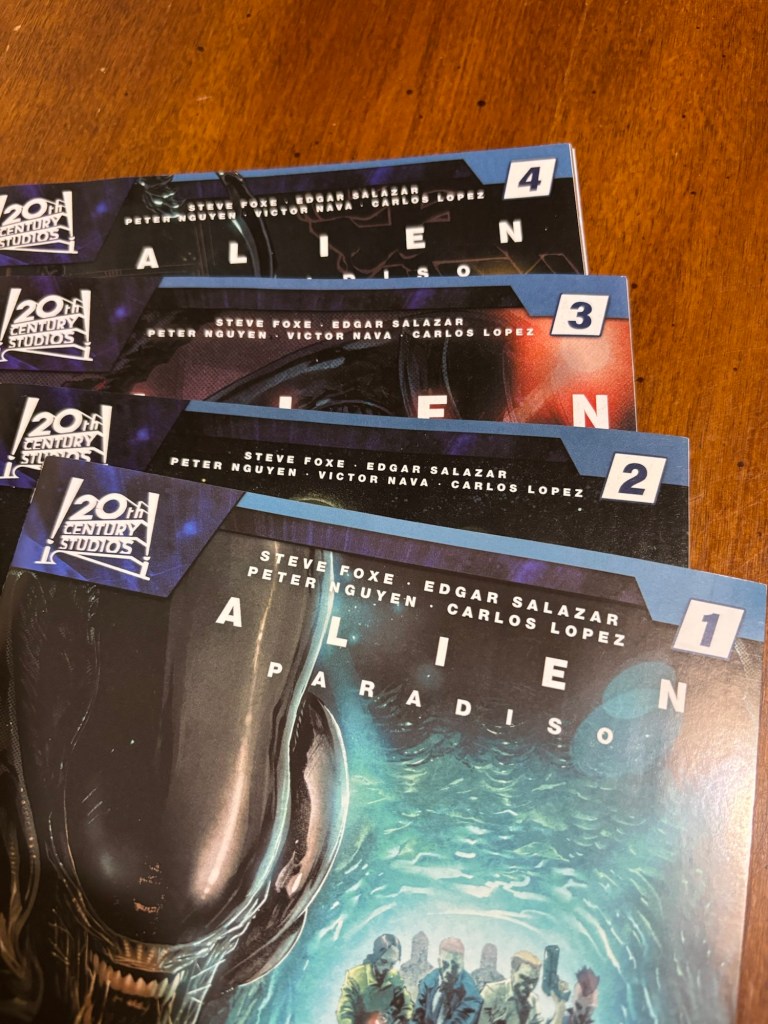
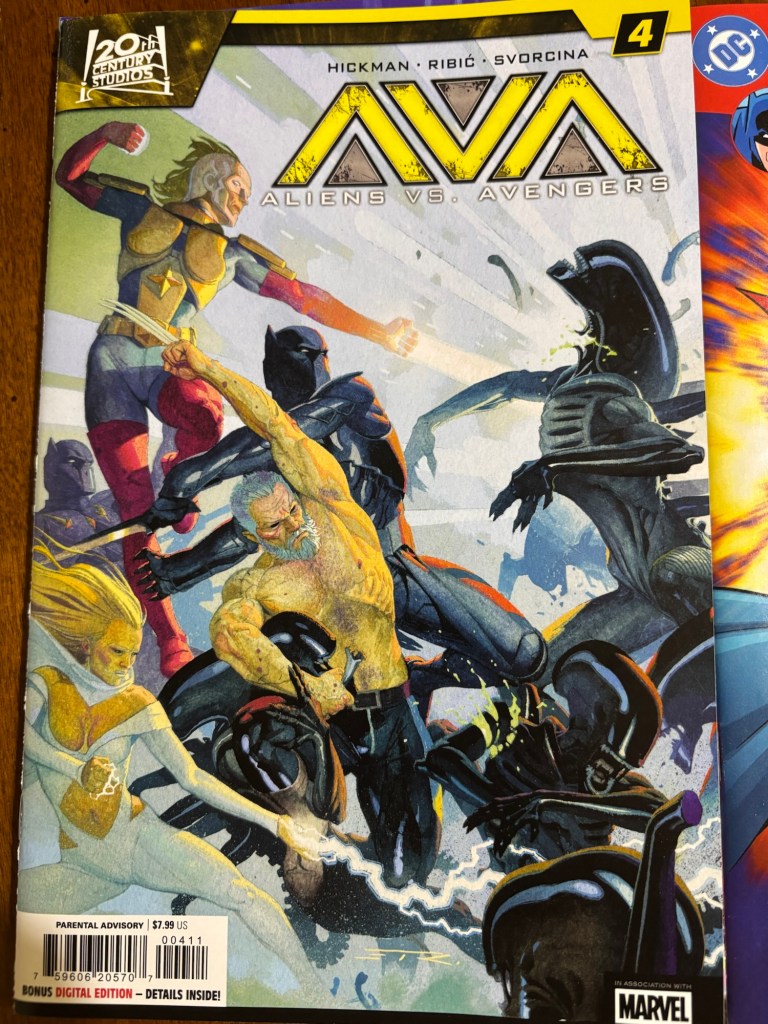
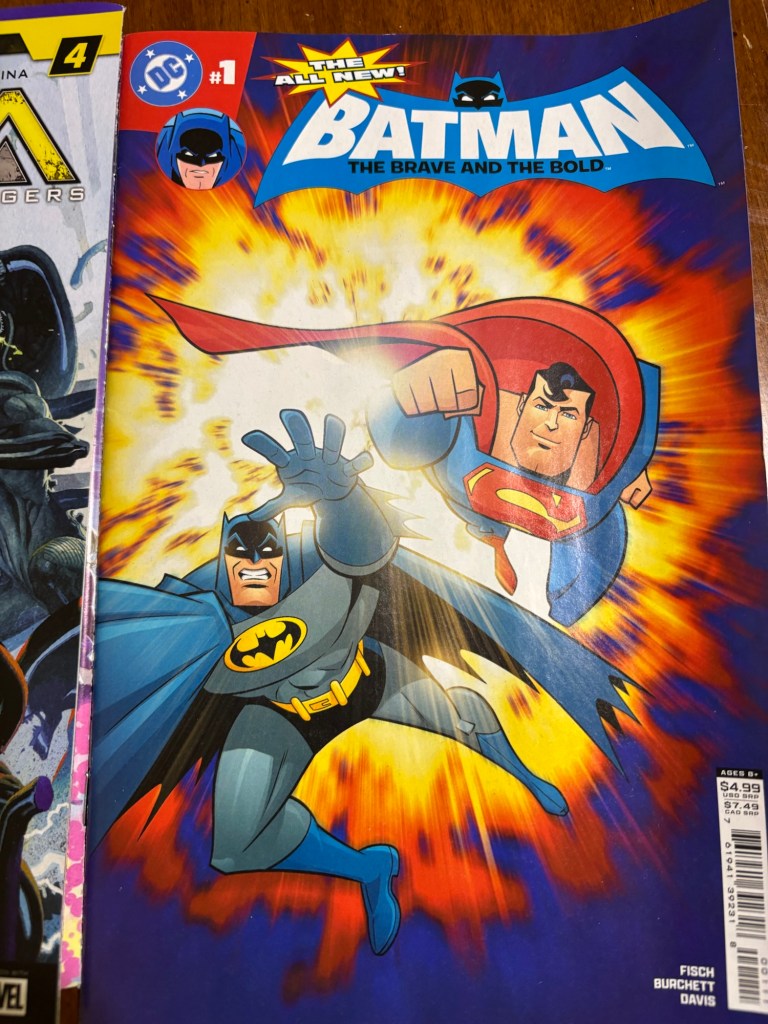

The Aliens vs Avengers are better than Alien: Paradiso, but both are tremendously better than this random Batman comic.
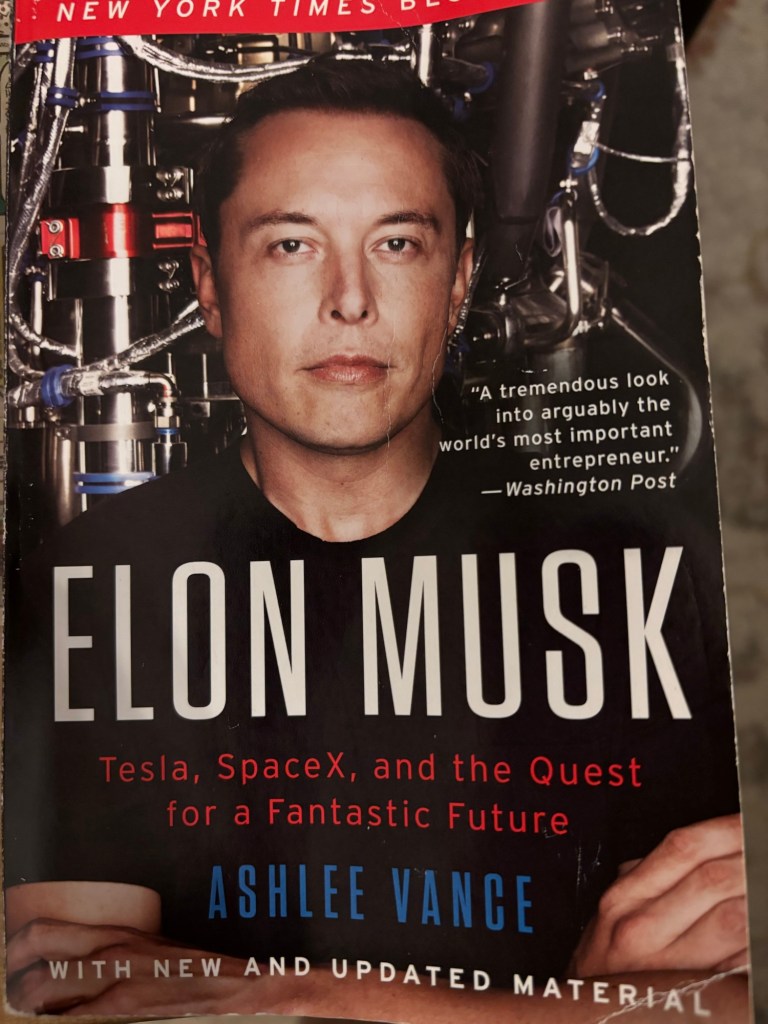
Not sure what to say about Musk. Fascinating on every level. I guess main takeaways are he has a habit (from the beginning) of using all his money always—ie re-investing profits into new ideas/products. That appeals to me. And it is eye-opening to read about so many individuals who seek out money. I have never really thought about life like that. But Musk has money and is willing to use it to pay for what he wants to build.
Oh, and the part about flying home from Russia without a rocket and his data-based decision to build it himself for cheaper anyhow is the stuff of legends. Archimedes, you wild man of naked street running, watch out!
Plato is always a treat. Apology and Crito are a delight to read, at times laugh out loud funny, and also terrifically on point. For example, Socrates is on trial for his life. The charge: corrupting the youth. (Sound familiar yet?) His defense: the god (not biblical Yahweh, just some general concept) told him (Socrates, not Kirk) he was the wisest man—which he couldn’t believe. So he then decided to roam the country trying to find someone wiser. (Note: Plato wrote this about Socrates over two thousand years ago. Do not think about Charlie Kirk!) But no matter to whom he inquired, he always left disappointed because while they, in fact, weren’t wiser than him (Socrates), they thought they were wise. Socrates considered this as a worse state than his own, because where he wasn’t wise, he knew he wasn’t wise. Anyhow, in the end, he loses the case and was essentially forced to commit suicide. What can you do? It begs the question: What is an uncorrupted youth?
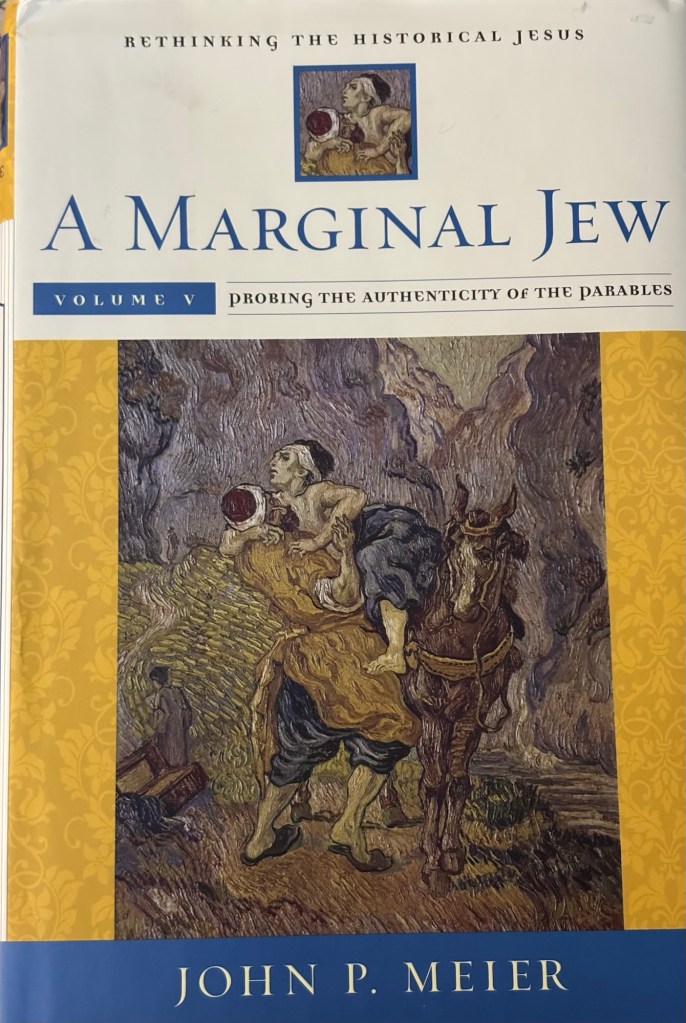
This final volume from Father Meier is excellent for the same reason the previous four are excellent. Meier states his destination and the rules of the road, and then works steadily towards it. This strategy allows the reader to do something even the Bible itself doesn’t: we get to assess his work. Put another way, Meier gives you everything you need to disagree with him. The only real criticism, then, is to discount his destination (an acceptable-to-all historical Jesus) or his rules of the road. (And feel free to do so.) But I love his destination and even if I didn’t agree with his road rules, I agree with the concept and so his portrait of the historical Jesus is fine by me.
To be sure: upon completion of these five volumes, you will never again believe Jesus was hippie-like. You will never again believe Jesus was some wise sage, like Confucius etc. But more importantly, for every stupid thing that you hear non-believers say about Jesus, you will have excellent evidence of where they are wrong. Never forget, the goal with these folks is not some stunning delivery of “you are wrong”, but “I bet you’d reconsider if you had better information. Do you have a second to chat?”
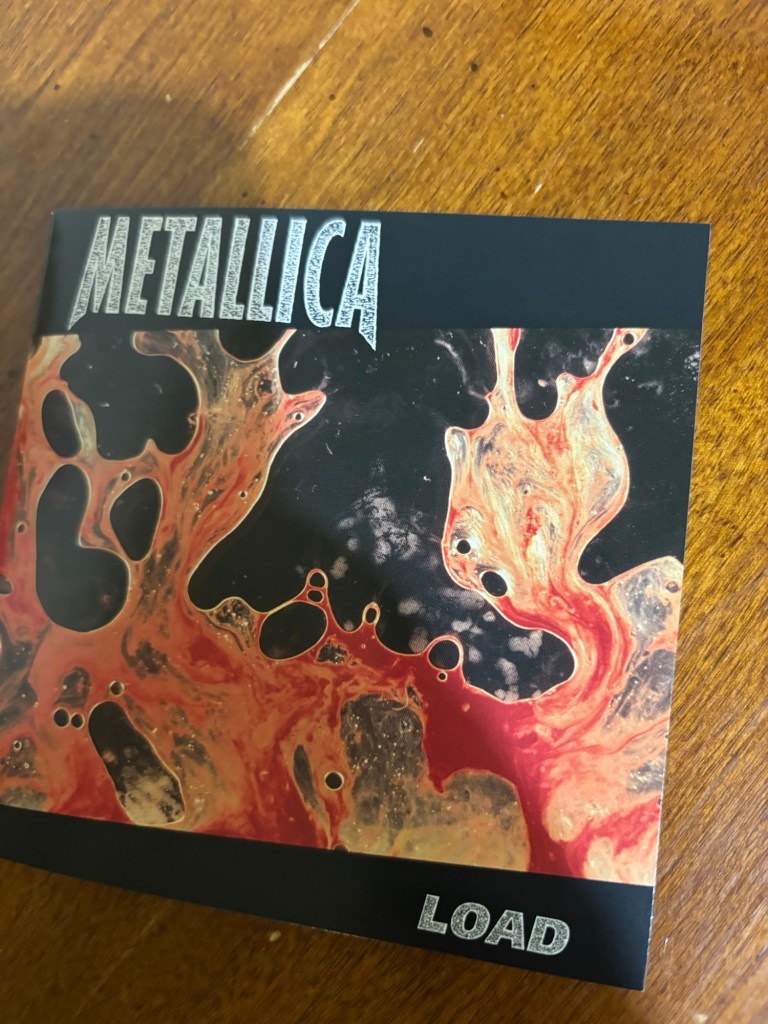
I threw in Metallica’s Load Album book for kicks because (1) I did read it. And (2) it has some pictures that were tremendously nostalgic. (Metallica re-released Load remastered recently.) “Hero of the Day” is far richer, more “Simple Man”, than I ever remember noticing. You will not be disappointed to reinvestigate both.
 Captain’s Log