Reading Log 2.6.2026
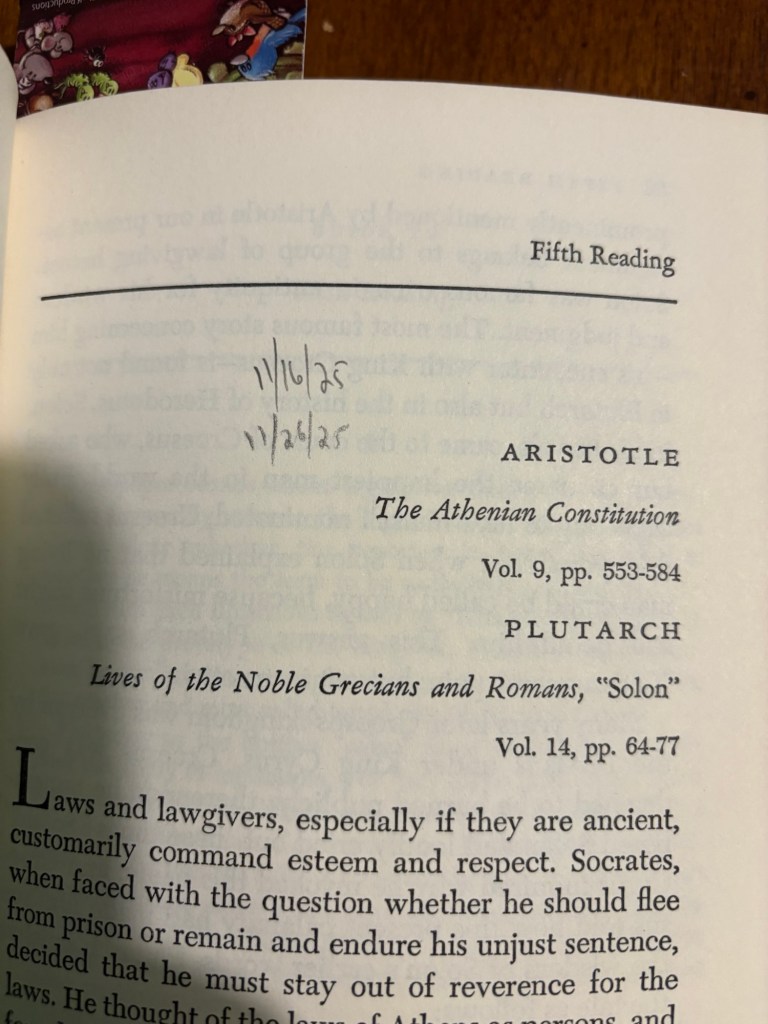

The reason Aristotle should be read and will be rewarding is simple enjoyment of compare/contrast of methods. He also forces you to abandon juhhhhst about every preconception about government and politics you currently hold.
****
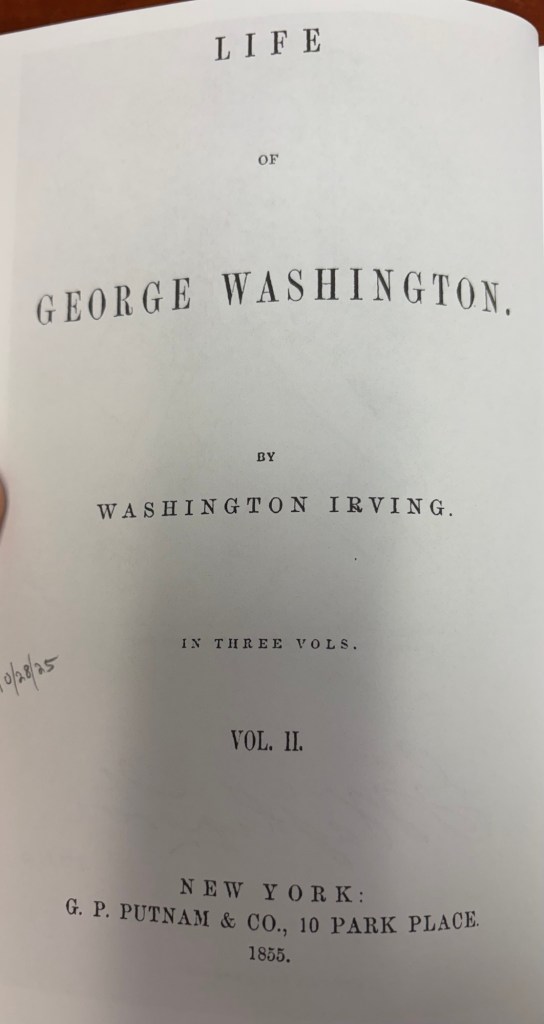
GW never disappoints. What a life. I confess that sometimes my mind wanders as the descriptions of all the various messages being sent to and between all the many forts and camps are given. At the same time, what an exciting job, no? Perfect for a young man wishing to prove his worth, I say. What task of today compares with, “Your countryman’s lives depend on you successfully carrying this message through the forest undetected. Can you do it?”?
****
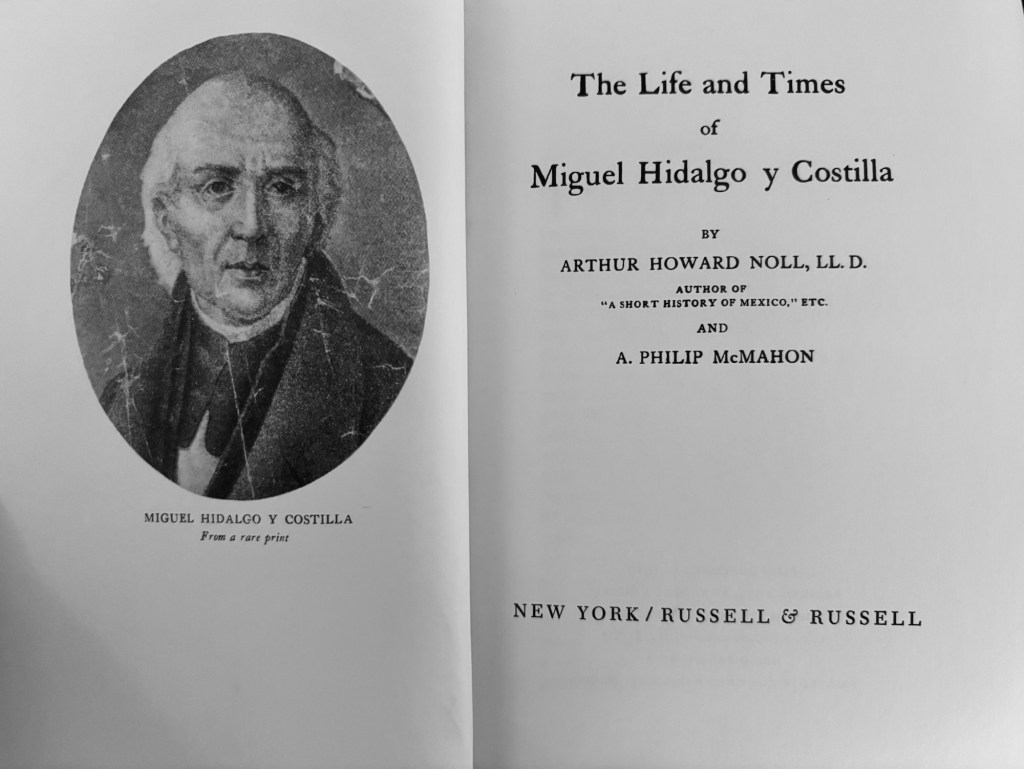
After I discovered Miguel Hidalgo y Costilla, after I found a portrait, and after I framed it behind museum quality glass and hung it on my wall, I realized that I didn’t really know much about him or his role in Mexico’s independence. There’s a brief entry in my 1910 Britannica set. And then there’s this book. Suffice it to say, now I do. In short, and probably fortunately, the word “legend” has to be applied. New Spain and the caste system it operated within simply didn’t have an established habit of written record. Another difficulty that can really only be appreciated if you read GW and Hidalgo simultaneously, is the scale of the geography upon which events unfolded. New Spain (future Mexico) was enormous, whereas GW was focused on New York and Long Island and a few other relatively minuscule locations along the Atlantic coast. In the end, however, for both legendary and historically verifiable reasons, Hidalgo does belong among the six men on my wall. Oh, and you’ll never guess the nickname he got after college. So go! Read and learn! (Even the internet won’t help you.)
****
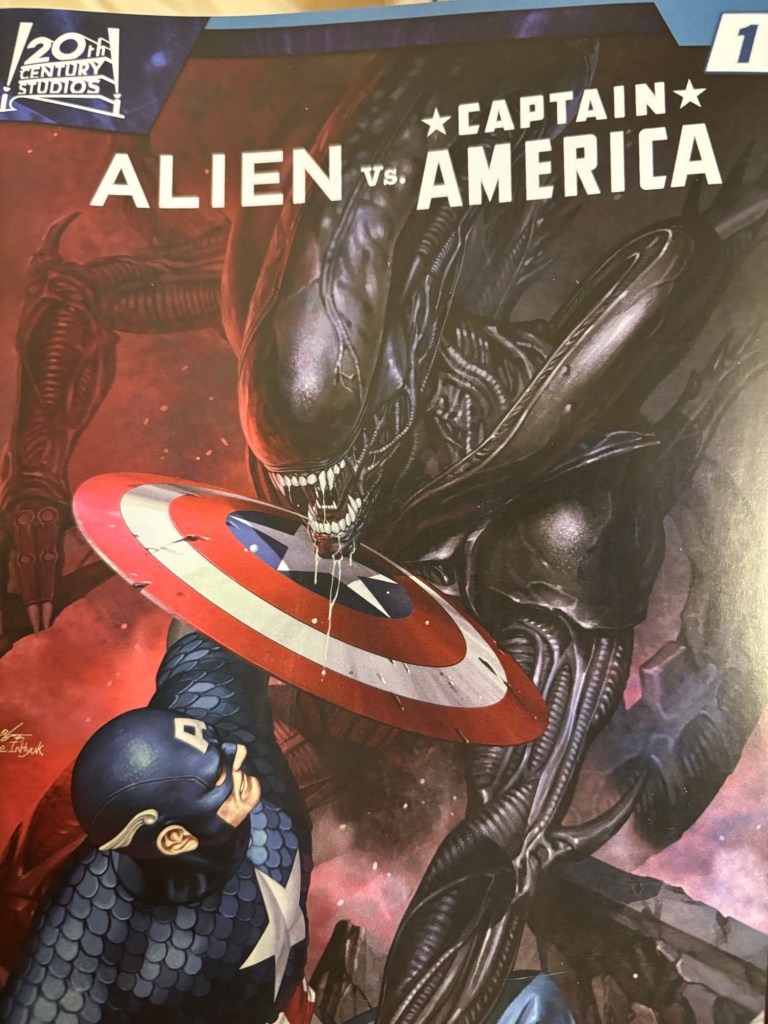
How could I, American hero that I am, not like Alien vs Captain America? Just look at those covers. Rest assured, they do not disappoint.
****
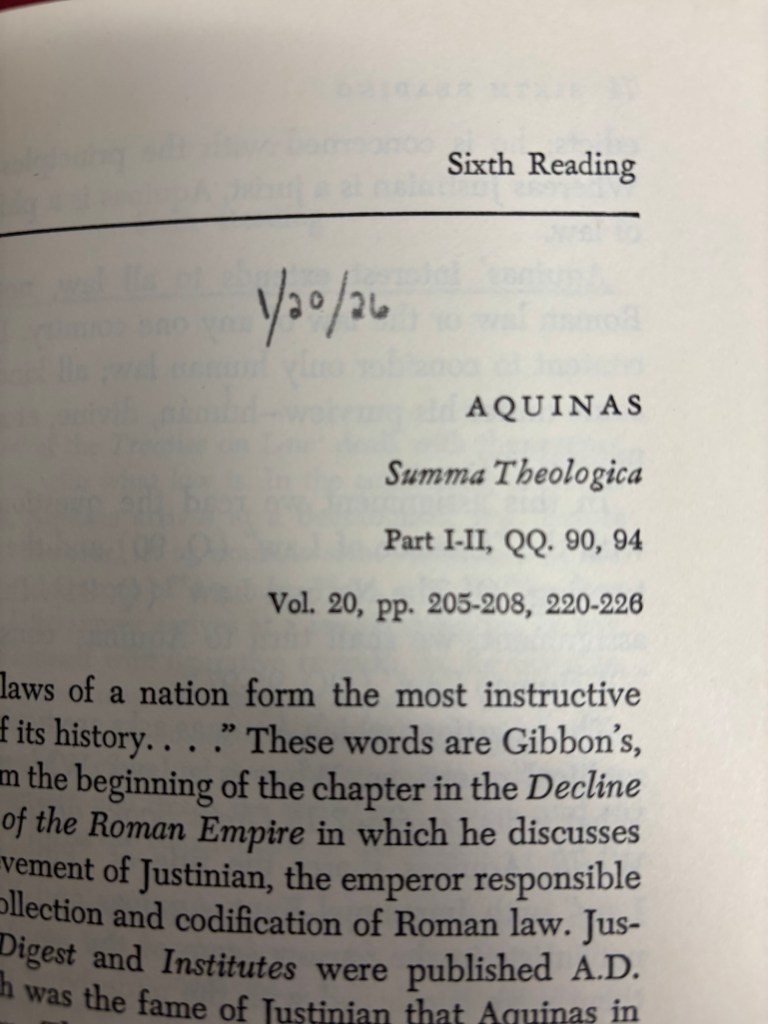
Isaac Newton leads the way for humans—overall. But Aquinas leads the way for methodical writing. This man’s rigid adherence to a method is otherworldly. I won’t say it is commendable, because I am too interested in creative writing. But when I hear people talk and it is utter unfocused confusion, the easy fix is to show them Aquinas.
****
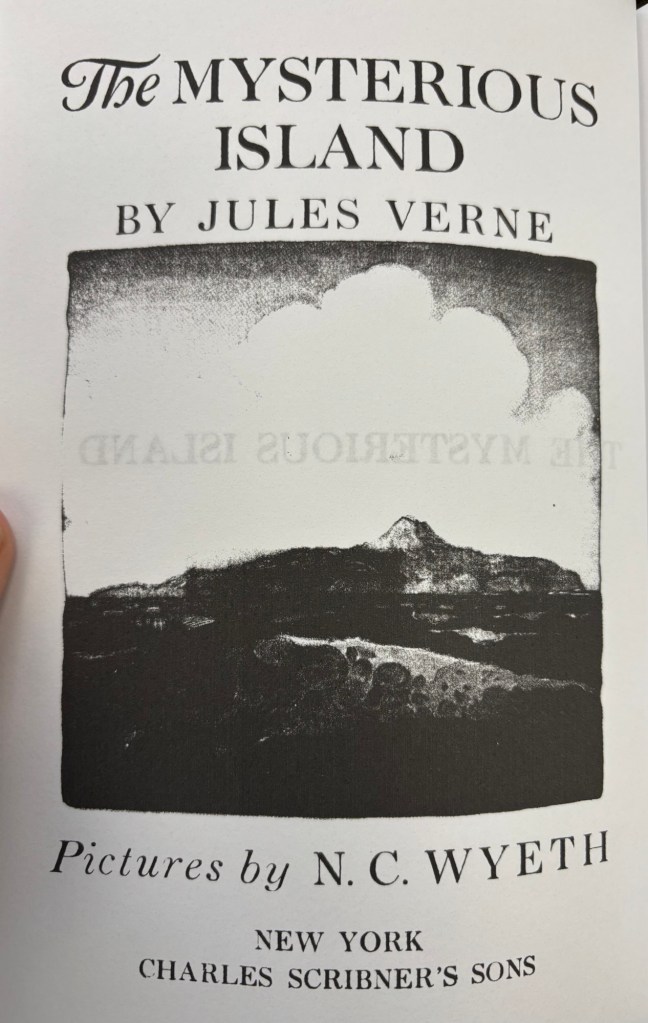
I knew Twenty Thousand Leagues Under the Sea. (Read it too.) I did not know about The Mysterious Island. It is fun. A few chapters in and I found myself thinking, “Wait a minute! This is just a genre-establishing sci-fi version of Robinson Crusoe and Swiss Family Robinson.” Then it seemed like it was literally in the next chapter’s opening that Verne, or the narrator, detailed as much and offered a decide-for-yourself-whether-it’s-a meaningful distinction. In any case, compelling start, second act slowed a bit, but the third finished strong. It isn’t a must read. But if you have interest, it won’t disappoint.
 Captain’s Log