Reading Log 12.18.2025

It’s been since September 20th that I posted an updated reading log. These six make it seem like I barely made time for my hobby. I can’t explain it, but except for last hitch, I have been reading as normal.
****
George MacDonald is just fantastic. And any book that includes dialect spelling is fantastic. So be sure to check out his Heather and Snow.
****
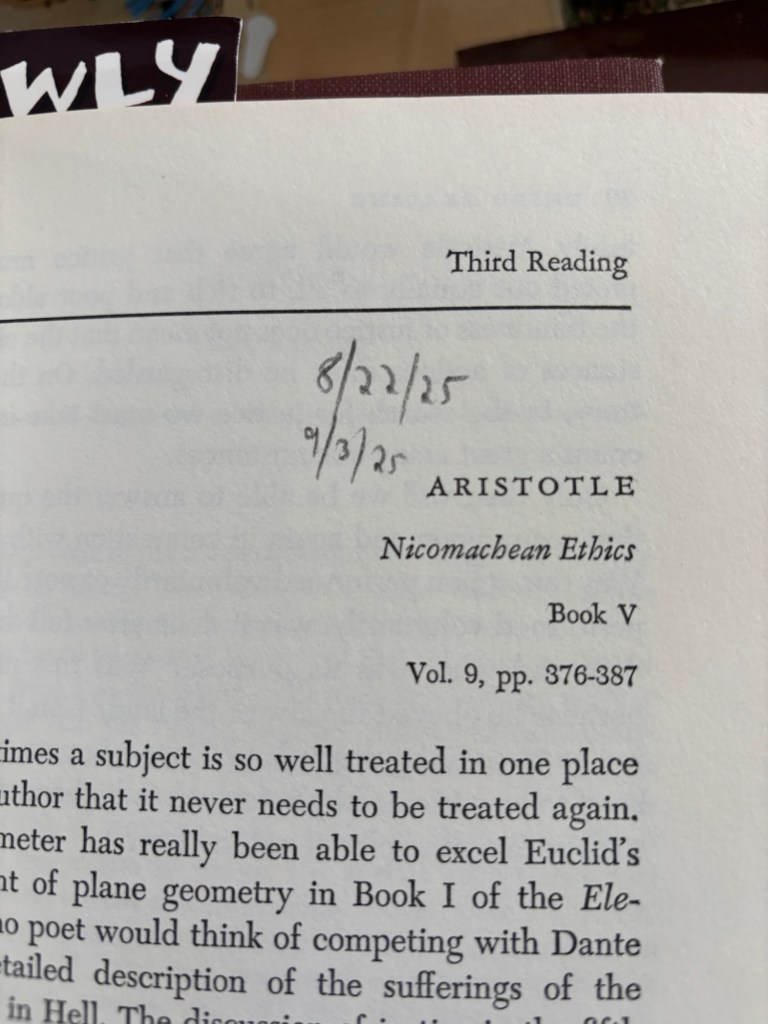
The Aristotle Nichomachean Ethics section was exceedingly worthy. Most importantly, the name (Nichomachean) derives either from Aristotle’s father or son. I say Aristotle wrote down what his father taught him. Be that as it may, the lucidity of the ethics are remarkable. Here’s one example for ya. You know how we always hear the BIPOC and BIPOC-infatuated leaders talking about “equity” these days? They throw out some idea like “equity, not equality”, right? Then they proceed to explain the most unequal thing in the most confusing way, right?
Well Aristotle (or his dad) used the word equity in the following way. He said there is the universal law, say, “Do not steal.” Then there is the nuances of the law, to include all the particulars, like, stealing a lot is obviously different than stealing a little. Aristotle (or his dad) uses the word equity to describe the nuanced consequences of the application of the law. In other words, the difference between going to jail and simply giving the stolen good back to the owner was equity. My example is correct in principle, not particulars. No matter how fine the law cuts it, there is gray in between—this is equity to Aristotle.
Here I don’t mean to applaud the idea of equity in Nichomachean Ethics, but to draw out for you that over two thousand years ago one man wrote clearly and it appears the best we can do today is worse.
****
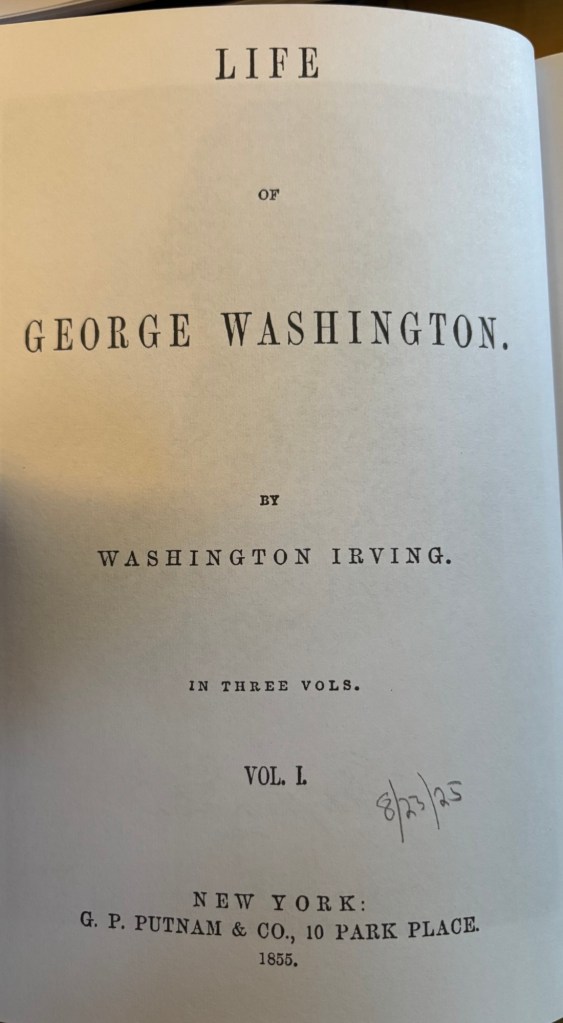
Does everyone understand that George Washington was British? Did you know that Mount Vernon was so-named because George’s older brother, Lawrence, served in the British Fleet under one Admiral Vernon whom he so loved that he named his property after him? Has everyone slept outside in the cold with savages nearby, allies mostly, but likely enemies too? As holy writ declares, “We are but dust,” compared to this great man. You could read and re-read Washington Irving’s biography and never be worse for it.
****
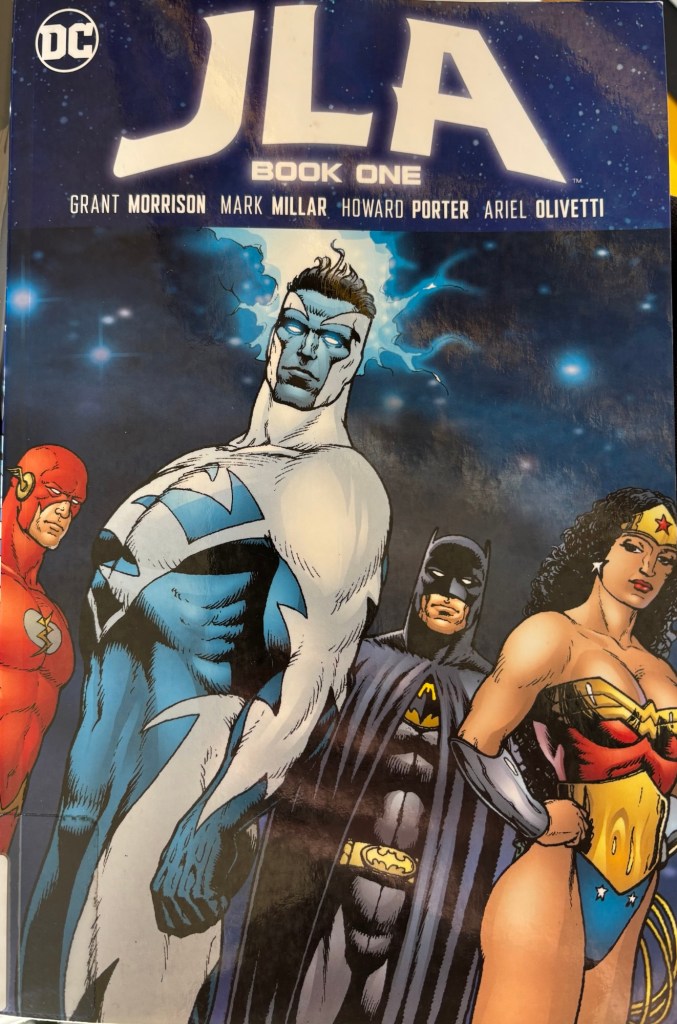
I found this 600 page Justice League America collection of comics at the library. The series came out in the 97-98 time period. They were fun. Who doesn’t love the dynamic between Batman and Superman? And now I know more about Martian Manhunter too. The end of Justice League Snyder Cut always bothered me. But not anymore.
****
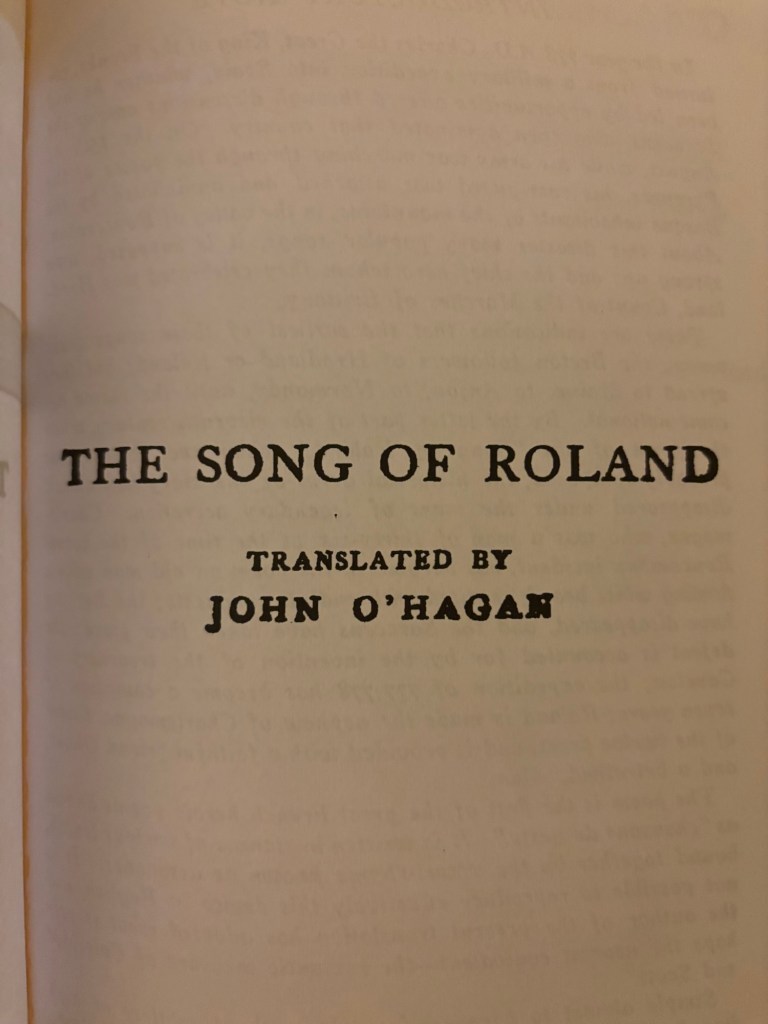
How many times do I have to write about the moooslims? One more I guess. That’s what the Song of Roland is about. French Christian Knights vs saracens. I read the long epic poem, supposedly a first of its kind—its kind being nationalistic or patriotic poem—in two days. I go so deep when I read that I don’t recommend this to anyone similarly talented. I mean, for a day or two, I thought I saw everywhere the mooslims were invading our lands.
****
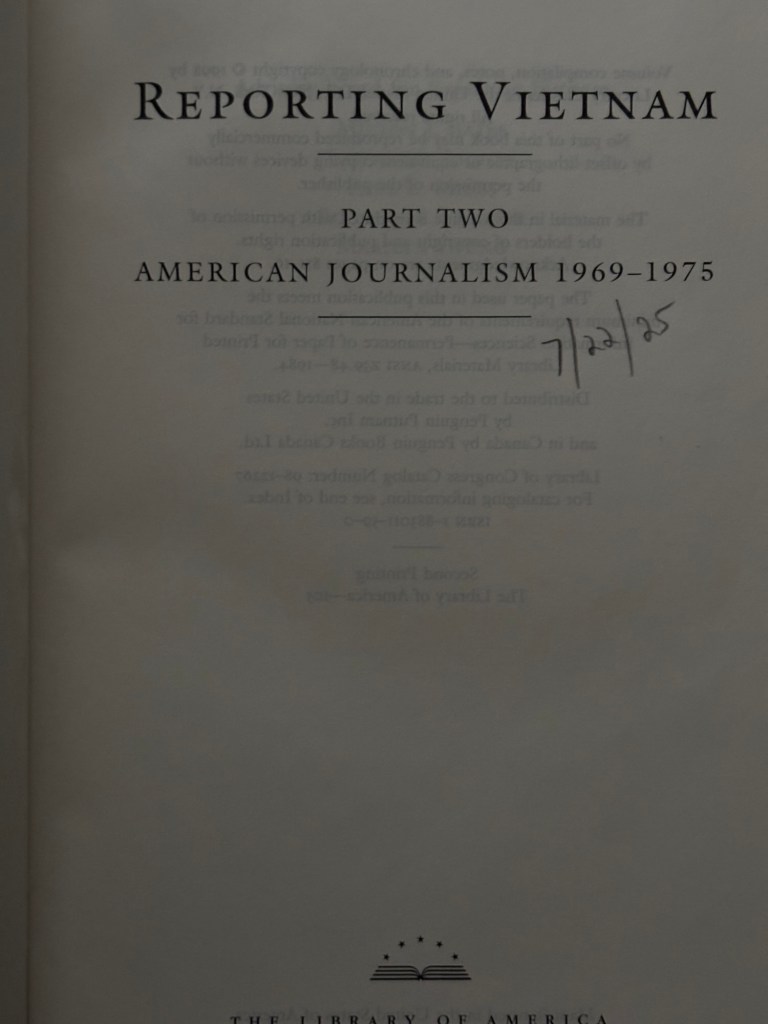
What can I say about finishing the two volume Reporting Vietnam set? Couple things. First, the French had colonies in Vietnam before WW2. (Maybe earlier too.) But the point is that France took such a beating in WW2, geographically situated as they were, that the Allies decided to help them rebuild after the war. That is where America enters Vietnam—what is so wrong about helping French rebuild their colonies?
Second, during WW2, Ho Chi Minh gained power because he wanted all the foreigners out—Japan and France (later America etc). It will be forever debated if he was a communist at heart or just used communism as a timely tool.
Third, I used to think it cool to baldly state, “We lost Vietnam.” I remember even daring my helicopter instructor pilot who fought heroically in Vietnam to admit it, which he did unreservedly, probably for the millionth time to POS’s like me. I will never say this or allow someone else to say it ever again. The US did not lose Vietnam. The South Vietnamese lost. We fought, we left. We did not lose. Losing a war is terrible. Never lose a war. Anyone who says anything to me about America that sounds like they want it to lose a war now gets verbally reprimanded at the highest socially acceptable level. Every person alive should want their country to win any war it engages, at nearly any cost, rather than suffer loss. We did not lose Vietnam.
In addition to having the above new things to say about ‘Nam, I want to share two images that now adorn my house. First, this hangs in my garage.

My gentle wife took days to notice and when she did, she asked, “Isn’t that a bad word?” in reference to the kids growing up with it in view. What a great question. How would you answer her?
Secondly, this is now the backdrop to my beloved piano.
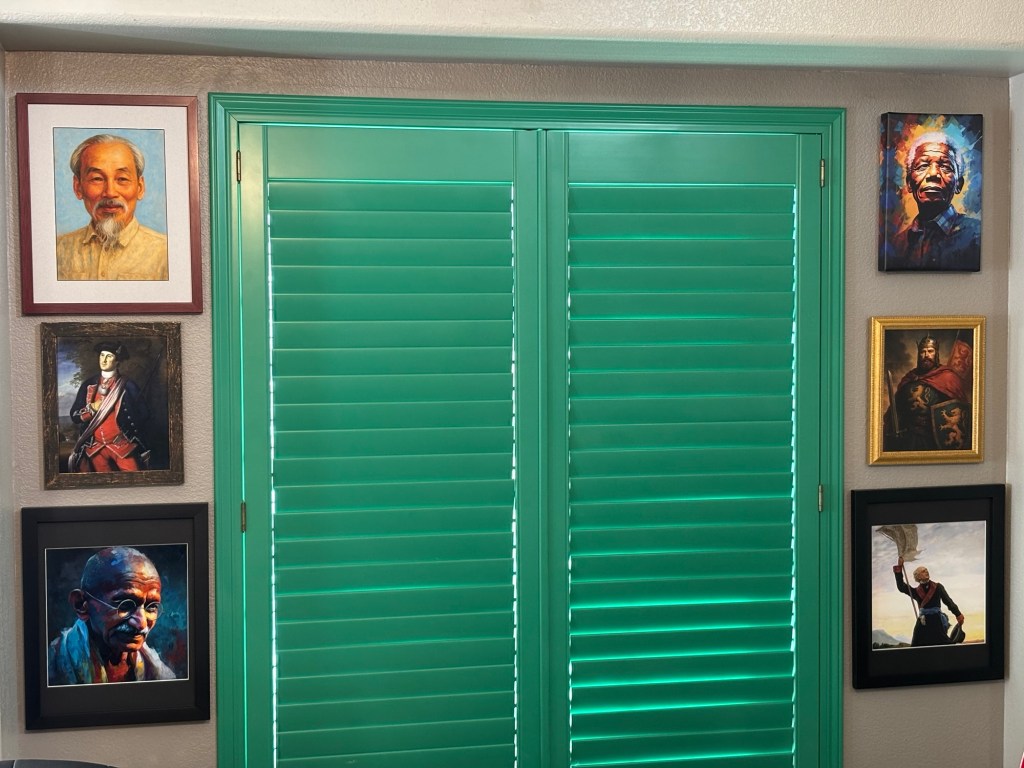
I teach the kids to repeat after me, clockwise from the top, right first, then left, “Nelson (Nelson), Robert (Robert), Miguel (Miguel), Ho (Ho), George (George), Ghandi (Ghandi).” And I ask you, what do these men have in common? Why would I, Eagle Scout, USAF Pilot, Baptist, and Thanksgiving-and-Christmas-working first responder have Ho Chi Minh on my wall, my mind, and my children’s minds?
Hint: the key to life on earth as an American is the Vietnam War. There’s a reason for the current confusion. And it has nothing to do with events of the day or what you consume daily; it has everything to do with what you have never read. Both the reason you have never read it (or been required to—nothing conspiracy theory here—just general shame and incompetent teachers) and the history you will discover upon reading it are relevant.
 Captain’s Log